
Fed expected to hold interest rates steady
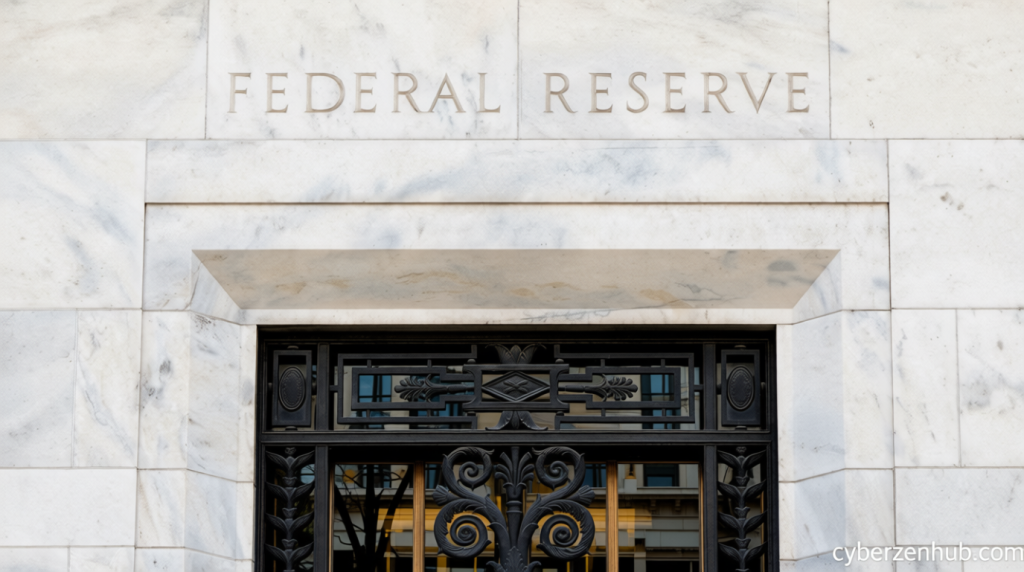
Fed Expected to Hold Interest Rates Steady
Fed expected to hold interest rates – On Wednesday, the Federal Reserve is set to unveil its most recent update regarding interest rates as U.S. gasoline prices surge to their peak in four years. This decision could signal the last rate adjustment before the conclusion of Fed Chair Jerome Powell’s tenure, which ends on May 15. The timing of the announcement adds complexity to the central bank’s policy stance, as it navigates a period of rising inflation and economic uncertainty.
Iran Conflict Fuels Price Pressure
The current rate decision comes amid heightened inflationary pressures linked to the ongoing Iran conflict. The war has accelerated price spikes, creating a challenging environment for policymakers. With elevated inflation rates and a sluggish job market, the Federal Reserve faces mounting pressure to balance economic growth against the risk of further inflationary fallout.
Market sentiment indicates that investors are largely anticipating the Federal Reserve to maintain current interest rates. According to the CME FedWatch Tool, which gauges market expectations, the probability of rates remaining unchanged for the remainder of the year stands at approximately 80%. This aligns with the Fed’s recent pattern of holding rates steady, following three consecutive quarter-point cuts earlier in 2026.
Leadership Transition in Question
Amid the rate decision, the Federal Reserve’s leadership transition has taken center stage. A political stalemate between the White House and Congress has cast uncertainty over Powell’s succession plans. Trump’s nominee, Kevin Warsh, has encountered bipartisan resistance in the Senate Banking Committee, with the probe into Powell’s alleged false testimony about an office renovation serving as a key obstacle.
“The investigation centers on claims of misleading Congress regarding an office renovation project,” stated the Department of Justice. “This probe aims to scrutinize Powell’s testimony and its implications for the central bank’s inflation management strategy.”
Despite the DOJ’s recent move to withdraw the federal criminal investigation, the Senate Banking Committee remains divided. If Warsh’s nomination advances, he would face a confirmation vote on the Senate floor. However, the political maneuvering surrounding this process has delayed the clarity of the Fed’s future direction.
Warsh’s Policy Evolution
Kevin Warsh, a former Fed official now affiliated with the Hoover Institution at Stanford University, has undergone a shift in economic philosophy. While he previously earned a reputation as a “hawk” during his time as a Fed governor in the late 2000s and early 2010s, his recent stance favors lower interest rates, arguing that inflation risks have been overstated by the Fed’s current approach.
Warsh’s evolving position contrasts with Powell’s more cautious strategy. The Fed’s decision to pause rate hikes in 2026 reflects a balancing act between inflation concerns and the need to stimulate economic activity. With the U.S.-Israeli war with Iran driving up energy costs and contributing to inflation, the central bank’s mandate has become increasingly multifaceted.
Economic Stagnation Looms
The Fed’s current rate decision coincides with a broader slowdown in economic growth. As inflation rises and hiring remains tepid, the risk of stagflation—a combination of stagnant growth and high inflation—has intensified. This dual threat complicates the central bank’s ability to fine-tune monetary policy without exacerbating existing challenges.
Market analysts warn that any rate cut could boost economic activity but might reignite inflationary pressures. Conversely, maintaining rates at their current level could temper price increases but leave the economy vulnerable to further deceleration. The choice between these options hinges on the Fed’s assessment of inflation risks versus the potential for growth stimulation.
Uncertain Future for Powell
Jerome Powell, who has served as Fed chair since 2017, has pledged to remain in his role until Kevin Warsh’s confirmation. Even after his successor is appointed, Powell may continue to influence policy through his position on the Fed’s 12-member board, which he could retain until 2028. His decision to extend his involvement reflects a strategic effort to ensure continuity in the central bank’s approach.
“This probe is a political tool to pressure the Fed’s rate decisions,” Powell asserted last month. “I’ve always prioritized economic stability over partisan agendas.”
Powell’s term as chair concludes on May 15, but his extended presence on the board underscores the importance of his legacy. The Fed’s past actions, including a series of rate cuts and steady rate maintenance, have been shaped by his leadership. Analysts note that his influence may persist even after his official departure, given the board’s collective decision-making process.
Broader Implications for U.S. Policy
The Fed’s rate decision is not isolated from larger geopolitical and economic trends. The U.S. being “humiliated” by Iran, as noted by German Chancellor Olaf Scholz, highlights the global impact of regional conflicts. Meanwhile, the ongoing debate over interest rates reflects broader tensions between inflation control and growth support, a dilemma central to the Fed’s mandate.
Warsh’s potential confirmation could usher in a new era of monetary policy, but his views on inflation risk have evolved since his time in the Fed. His advocacy for lower rates contrasts with the central bank’s current focus on stabilizing inflation, creating a potential shift in policy direction. The Senate’s role in finalizing this transition remains critical, with the outcome affecting the Fed’s trajectory in the coming years.
Historical Context and Market Outlook
The Fed’s recent rate decisions have drawn comparisons to past cycles. After a period of aggressive rate cuts, the central bank has adopted a more cautious stance, reflecting the complexities of the current economic landscape. This pause in rate changes follows the U.S.-Israeli war with Iran, which has disrupted global energy markets and intensified inflationary pressures.
Market participants are closely watching the Fed’s next move, with the CME FedWatch Tool providing a snapshot of expectations. The tool suggests a strong consensus that rates will remain unchanged through 2026, barring unforeseen economic developments. Investors are also evaluating the potential for future adjustments, weighing the trade-offs between growth and inflation.
As the Fed prepares to announce its decision, the central bank’s challenge lies in managing a delicate balance. The combination of elevated prices, slowing growth, and a leadership transition creates a scenario where policy decisions must address both immediate and long-term economic concerns. Whether the Fed chooses to maintain rates or adjust them will depend on its evolving assessment of the economy’s health and global uncertainties.
Meanwhile, the debate over Powell’s successor continues to shape the political discourse. The nomination of Warsh, despite its hurdles, represents a pivotal moment in the Fed’s history. As the central bank moves forward, its ability to navigate inflation, growth, and leadership changes will determine its effectiveness in guiding the U.S. economy through an increasingly volatile landscape.