
Supreme Court reviews Trump cancellation of Haitian, Syrian protected status
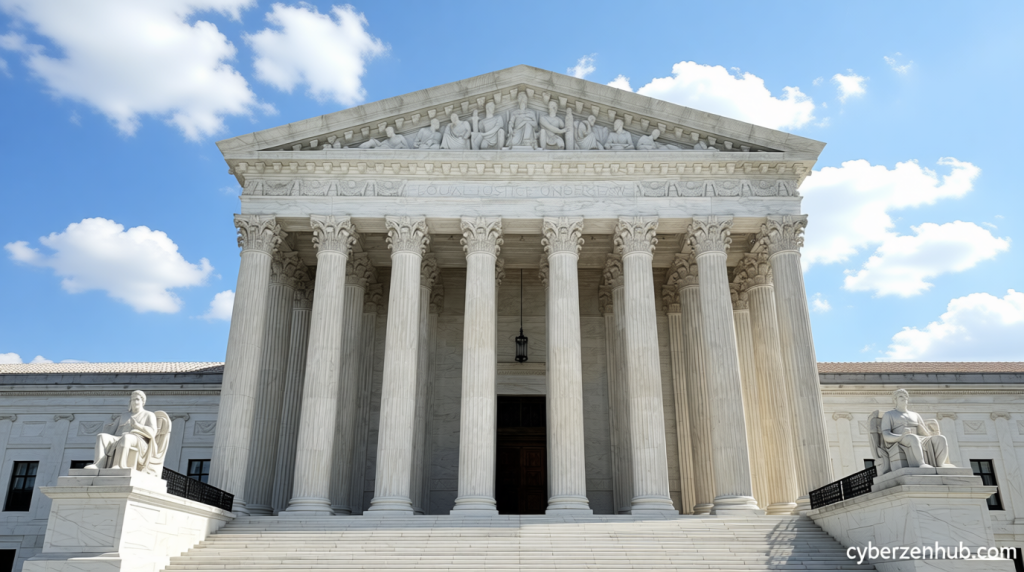
Supreme Court Reviews Trump’s TPS Cancellation for Haitian and Syrian Nationals
Supreme Court Evaluates Trump’s TPS Termination
Supreme Court reviews Trump cancellation of Haitian – The U.S. Supreme Court is now evaluating Trump’s decision to rescind temporary protected status for Haitian and Syrian nationals, a move that has drawn significant legal and political scrutiny. This review centers on whether the administration acted within its authority by terminating protections for hundreds of thousands of immigrants who had been granted safe haven under TPS designations. The case involves two separate lawsuits, with critics alleging that the cancellation was driven by racial bias and insufficient analysis of its impact on public safety and economic stability. The court’s ruling could redefine the legal framework for immigration protections, affecting the livelihoods of approximately 350,000 Haitians and 6,000 Syrians.
Legal and Policy Implications of TPS Revocation
Temporary Protected Status, a provision under the Immigration and Nationality Act, enables immigrants from crisis-affected countries to remain in the U.S. temporarily. The Trump administration argued that Haiti and Syria had stabilized enough to allow for the removal of these protections, but opponents contend the process lacked transparency and adequate safeguards. The Supreme Court’s role in this case is critical, as it will assess whether the termination met legal standards, including proper consultation with the State Department and thorough evaluation of country conditions. The decision may also influence future immigration policy, particularly regarding the use of TPS as a tool for humanitarian relief.
Key arguments before the court include the claim that the TPS revocation was rushed and failed to consider long-term consequences. Legal experts emphasize the importance of balancing national security concerns with the humanitarian needs of vulnerable populations. “The Trump administration’s actions risk destabilizing communities that have relied on TPS for years,” noted a law professor in a recent analysis. This case highlights the tension between executive discretion and the need for legislative oversight in immigration matters.
“There is no functioning healthcare system for the disabled and elderly to return to, no reliable housing infrastructure, no legal framework that can guarantee anyone’s safety,” said Adam, a pseudonym used for a Syrian healthcare worker, underscoring the real-world stakes of the decision.
Background on Haitian and Syrian TPS Designations
Haiti’s TPS designation originated in 2010 following a devastating earthquake that left over 200,000 people dead and millions displaced. The status was later extended due to ongoing political unrest and natural disasters. Similarly, Syria’s TPS was established in 2011 amid the civil war, which has caused widespread displacement and economic collapse. The Biden administration extended these protections in 2021, but the Trump-era cancellation raised questions about the consistency of immigration policies and the criteria for revoking them.
Proponents of the termination argue that the policies were designed to prevent prolonged reliance on temporary status. They cite improved conditions in Haiti and Syria as justification for ending protections. However, critics stress that the process neglected to account for the unique challenges faced by these communities, such as the risk of renewed conflict or economic instability. The Supreme Court’s examination of these factors will determine whether the cancellation was legally justified or a politically motivated action.
Impact on Immigrant Communities and the Workforce
The cancellation of TPS has raised concerns about its effect on the U.S. labor market, particularly in sectors reliant on immigrant workers. Haitian and Syrian TPS holders contribute significantly to industries like healthcare and caregiving, where their labor is essential for sustaining services. The Kaiser Family Foundation reported that immigrants make up over 28% of the long-term care workforce, a figure exceeding their representation in the broader economy. In Florida, more than 113,000 Haitians with TPS work in roles that support aging populations, highlighting the immediate economic consequences of the policy change.
Legal experts warn that the Supreme Court’s decision could set a precedent for future TPS revocations. If the court upholds the cancellation, it may embolden the administration to act more swiftly in terminating similar protections. Conversely, a reversal could signal a renewed commitment to preserving TPS for vulnerable groups. The ruling is expected to have lasting implications for both the legal rights of immigrants and the U.S. economy’s reliance on their labor.