
Judge warns of ‘serious consequences’ if administration begins work at East Potomac Golf Course
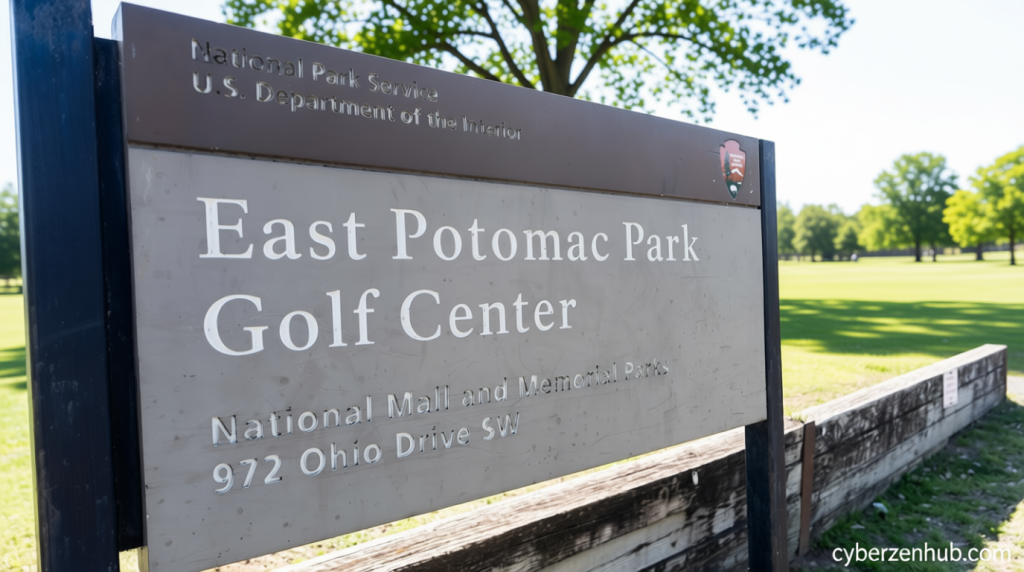
Judge Cautions DOJ on Potential Impact of East Potomac Golf Course Alterations
Judge warns of serious consequences if administration – On Monday, U.S. District Judge Ana Reyes issued a stern caution to the Trump administration, emphasizing the risks of proceeding with substantial changes to the East Potomac Golf Course in Washington, D.C., without first securing judicial approval. The warning came during a high-stakes morning session where the administration’s legal team faced scrutiny over their plans to modify the public space. Reyes highlighted the importance of transparency, stating that the government should not assume the right to act without informing the court, a stance she linked to recent controversies surrounding the district’s infrastructure.
Background on the Golf Course Dispute
Reyes’s concerns stem from the administration’s efforts to reshape D.C. landmarks, including the East Potomac Golf Course. In December, the Trump team terminated the lease of the organization responsible for managing the course, sparking fears that the property might be redeveloped as part of broader initiatives to modernize the city’s public spaces. The National Park Service had previously managed the course, but the administration’s decision to take control raised alarms among preservationists. The latest developments echoed the fate of the White House’s East Wing, which had been demolished earlier in the year, leaving many to question whether the golf course would face a similar outcome.
During the weekend, the D.C. Preservation League’s attorneys escalated the situation, alleging that the Trump administration was poised to raze the course without sufficient notice. They warned that the property could be transformed overnight, with little opportunity for public or legal intervention. This prompted Judge Reyes to issue an urgent order on Sunday evening, requiring legal representatives to attend an unusually early Monday morning hearing. Her goal was to ensure that any construction activities had not already commenced, and to address the claims of rapid demolition.
DOJ’s Defense and Judicial Concerns
At the meeting, the Department of Justice (DOJ) argued that the proposed work was minimal, limited to the removal of dead or dying trees. This explanation seemed to alleviate some of Reyes’s worries, though she remained wary of the administration’s broader intentions. The DOJ’s lawyers admitted they were unaware of Trump’s fundraising efforts to renovate the course, describing such communications as “sensitive matters of executive privilege.” Meanwhile, Kevin Greiss, the superintendent of National Mall and Memorial Parks, confirmed that no official closure orders had been issued, though he acknowledged uncertainty about the origin of signs at the course’s entrance indicating potential disruptions.
“Let me be clear—given the recent issues in the district, I would not be satisfied with the administration asking for forgiveness after the fact. That approach won’t be acceptable,” Reyes stated during the hearing.
Despite the DOJ’s reassurances, the judge remained vigilant. She expressed frustration that the administration might proceed without proper communication, likening her role to that of an overseer who could not intervene if plans were already in motion. “I don’t want anything major happening without the plaintiffs having a say,” she said, stressing the need for advance notice to prevent last-minute decisions that could undermine legal protections.
As the hearing neared its end, Reyes’s clerk presented a note that reignited her concerns. The document suggested signs of closures had appeared on the golf course the previous day, raising questions about the timeline of events. “I just got a note from my clerk—something to review quickly,” she remarked, asking Greiss directly, “Were there any closures yesterday?” Greiss responded that he had not ordered any signs and could not confirm their presence, leaving the situation unresolved.
Final Orders and Ongoing Uncertainty
Reyes concluded the session by issuing a binding directive: the Trump administration must secure judicial approval before initiating any major construction on the golf course. “I’m not going to allow a scenario where the government acts unilaterally and then tells us it’s too late,” she emphasized, underscoring the importance of procedural fairness. The judge’s words carried weight, as the case had already drawn attention to the administration’s tendency to bypass traditional oversight mechanisms.
Meanwhile, a pro shop employee at the course confirmed to ABC News that the facility remained open for play on Monday. “Until they shut us down, we’re still here,” he said, reflecting the staff’s resolve to continue operations despite the legal uncertainty. The National Park Service, which had been managing the course, faced the possibility of being sidelined in favor of a new plan, with potential consequences for both the land and the surrounding environment.
The case has become a focal point in the ongoing debate over the balance between modernization and preservation in Washington, D.C. While the administration insists its changes are limited and necessary, critics argue that the lack of notice and the speed of decision-making threaten the city’s historical character. Reyes’s warning serves as a reminder that even seemingly minor projects can have significant implications, especially when executed without consultation.
The East Potomac Golf Course, situated near the Washington Monument, has long been a symbol of the city’s blend of natural beauty and public service. Its potential transformation into a different kind of space raises questions about the priorities of the administration and the role of the judiciary in safeguarding civic landmarks. With the hearing’s conclusion, the next steps depend on whether the Trump team will comply with the court’s order or continue to test its limits.
As the administration moves forward, the stakes remain high. The golf course’s fate could set a precedent for how future projects are handled, influencing everything from urban planning to the rights of private entities managing public resources. Reyes’s cautionary stance reflects a broader judicial effort to ensure that the government does not act in a vacuum, especially when its actions could reshape the landscape of the nation’s capital.
The situation highlights the tension between political ambition and legal accountability. While the DOJ provided some clarity about the current state of the course, the judge’s emphasis on transparency underscores the need for due process in public projects. As the administration prepares to take the next steps, the eyes of the legal community and the public remain on the golf course, waiting to see whether it will stand as a testament to preservation or become another casualty of rapid change.