
Federal prosecutors support unsealing purported Jeffrey Epstein suicide note
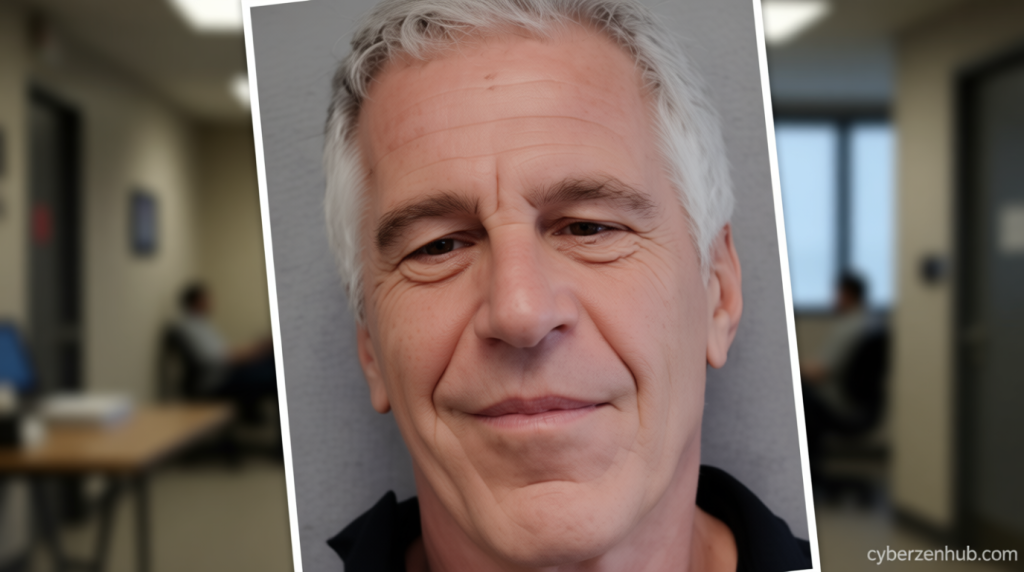
Federal Prosecutors Push to Unseal Jeffrey Epstein’s Alleged Suicide Note
Federal prosecutors support unsealing purported Jeffrey – Federal prosecutors have endorsed the release of a purported suicide note linked to Jeffrey Epstein, according to recent court filings. The document, which surfaced during a hearing involving Nicholas Tartaglione—Epstein’s former cellmate and a convicted murderer—was highlighted by the New York Times as a key piece of evidence. The request to unseal the note came before Judge Kenneth Karas in White Plains, New York, as part of ongoing scrutiny into Epstein’s final days. Tartaglione claimed he discovered the note hidden in a book after Epstein’s initial attempt to end his life in July 2019, prompting a legal battle over its secrecy.
The New York Times filed a motion to disclose the note, arguing its confidentiality was no longer justified. The newspaper contended that Tartaglione had already shared its contents publicly, diminishing the need for continued secrecy. Federal prosecutors aligned with this stance, noting in a court letter that the note’s disclosure would not undermine the case against Epstein. “Public knowledge of Tartaglione’s prior statements serves as a waiver for continued confidentiality,” stated U.S. Attorney Jay Clayton, reinforcing the prosecutors’ support for transparency in the matter.
Epstein’s Suicide and the Discovery of the Note
Jeffrey Epstein, the disgraced financier accused of sex trafficking, was found unresponsive in his prison cell on July 23, 2019. The Bureau of Prisons reported he was discovered “lying in the fetal position on the floor,” with visible neck injuries. Initially, Epstein blamed Tartaglione for the incident, but he later retracted that claim, expressing confusion about the events. The purported suicide note, dated between July 23 and 27, 2019, reportedly referenced his frustration with the FBI’s investigation, suggesting a sense of resignation.
Tartaglione’s role in the discovery became pivotal. During a January 2020 hearing, his legal team authenticated the note, though the exact process remained unclear. The document included phrases like “FBI, you know, looked into me for months and found nothing,” followed by a rhetorical question: “What do you want me to do? Cry about it?” It also featured a smiley face emoji and the line “time to say goodbye,” which have sparked speculation about Epstein’s mental state and possible intentions. The note’s existence adds another dimension to the long-standing mystery surrounding his death.
Legal and Investigative Implications
Epstein’s death in August 2019, while awaiting trial for multiple sex crimes, intensified questions about the circumstances of his final days. The New York Medical Examiner classified it as a suicide, but his family and allies have contested that conclusion. The current push to unseal the note is part of broader efforts to scrutinize the evidence and potential cover-ups. Prosecutors argue that the document’s release will shed light on Epstein’s state of mind and the events leading to his demise, offering critical context to the case.
The note’s inclusion in the case files underscores the complexity of Epstein’s legal legacy. While prosecutors from the Southern District of New York were previously unaware of its existence, the Justice Department’s records reveal it was referenced in a two-page chart dated January 2020. This highlights the ongoing debate over transparency in the Epstein case, with the New York Times and federal officials collaborating to ensure the public has access to relevant information. The court’s decision to unseal the note could further fuel discussions about the integrity of the investigation.
The historical context of Epstein’s legal battles also plays a role in the current case. In 2007, he secured a controversial non-prosecution deal with the Miami U.S. attorney’s office, avoiding charges in exchange for a short prison sentence. This agreement has been criticized for its leniency, especially given Epstein’s later indictment for sex trafficking involving dozens of underage victims. The suicide note may provide new insights into his motivations and the extent of his alleged criminal network, which has drawn attention for years.
Public Interest and Legal Transparency
The push to unseal the note reflects growing public demand for transparency in Epstein’s case. Critics have long accused the Justice Department of withholding information, and the 2020 review of the Epstein Files Transparency Act added pressure to disclose more details. By supporting the unsealing of the purported suicide note, federal prosecutors are aligning with this push, acknowledging the importance of public accountability. The document’s release could also clarify whether Tartaglione’s public statements about Epstein’s mental state were accurate or influenced by his own agenda.
As the legal process unfolds, the suicide note stands as a symbol of the unresolved questions surrounding Epstein’s death. Its unsealing may not only confirm or challenge the official narrative but also highlight the broader implications for the investigation. Federal prosecutors’ endorsement of transparency signals a shift toward greater openness, potentially impacting the perception of the case’s legitimacy. The note’s contents, now in the public eye, could offer critical evidence in the pursuit of justice for the victims involved in Epstein’s alleged crimes.