
Black Hills drilling project canceled after backlash from tribes
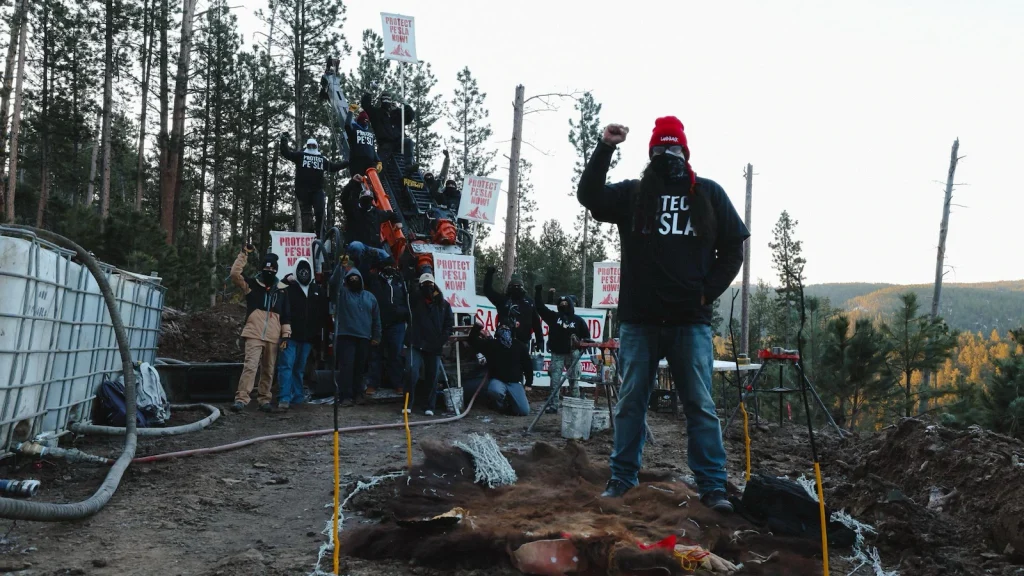
Black Hills Drilling Project Canceled After Backlash from Tribes
Black Hills drilling project canceled after – A South Dakota-based mining company has decided to abandon its graphite drilling project in the Black Hills, following strong opposition from Native American tribes and local organizations. The withdrawal was announced in a letter shared on Friday by the Indigenous advocacy group NDN Collective. According to the document, Rapid City-based Pete Lien & Sons informed the United States Forest Service on Thursday that it will no longer pursue its operational plan for the initiative. The company stated it has no plans to resubmit a proposal for the same project, marking a significant shift in its strategy.
Opposition and Legal Challenges
The decision to halt the drilling operation came after a series of legal actions and community protests. Central to the resistance was the project’s location near Pe’Sla, a sacred meadow in the Black Hills that holds deep cultural and spiritual significance for the Sioux tribes. This site is not only used for seasonal ceremonies and prayers but also serves as a critical grazing area for buffalo herds, which are essential to the tribes’ way of life. Environmental groups joined the tribes in criticizing the plan, emphasizing its potential impact on the region’s ecological balance.
As part of the legal battle, nine tribes from South Dakota, North Dakota, and Nebraska filed a lawsuit against the Forest Service, accusing it of violating the National Historical Preservation Act and the National Environmental Protection Act. The suit argued that permits were granted without a proper environmental review, undermining the process that should safeguard both cultural and natural resources. Meanwhile, NDN Collective and environmental advocates brought another case, challenging the Forest Service’s exemption of the project from an environmental review. They claimed the initiative did not qualify for a categorical exclusion, a classification that allows certain projects to bypass detailed assessments.
These legal moves culminated in a temporary restraining order issued on Monday, which blocked the drilling operation for two weeks. This order provided a brief reprieve for the tribes and their allies, allowing time to further challenge the project’s approval. In a statement, NDN Collective highlighted the broader implications of the decision, stating, “today’s win is multi-faceted and offers a blueprint for future land defense fights.” The group’s words underscore the strategic importance of the case in the ongoing struggle to protect Indigenous lands from industrial encroachment.
Historical Context and Ongoing Disputes
The Black Hills, renowned for their pine and spruce-covered landscapes, are more than just a natural wonder—they are a symbol of Indigenous resistance and resilience. The area has been a focal point of conflict between the U.S. government and the Sioux tribes, who have long viewed the land as unceded territory. The 1868 Treaty of Fort Laramie initially recognized this claim, designating the Black Hills as belonging to the Lakota, Dakota, and Nakota peoples. However, the discovery of gold in the late 1800s led to the government’s seizure of the land, a move that sparked decades of legal and cultural battles.
Despite a Supreme Court ruling in 1980 that confirmed the tribes were owed compensation for the land taken, they have not accepted the settlement. The decision to cancel the drilling project adds a new layer to this enduring dispute, reinforcing the tribes’ stance that the Black Hills remain their rightful domain. The cancellation also reflects the growing influence of environmental and Indigenous advocacy in shaping policy decisions, as seen in the combination of legal strategies and public pressure that led to the project’s demise.
Environmental and Cultural Significance
The Black Hills are not only a natural region of striking beauty but also a cultural cornerstone for the Sioux tribes. Their presence in the area is deeply tied to the land’s spiritual and ecological importance, which has been a central argument in the opposition to the drilling project. The Forest Service’s initial approval of the initiative was criticized for failing to account for these values, leading to accusations of oversight in the permitting process. Environmental groups further contended that the project’s impact on the region’s ecosystems, including its role in supporting buffalo populations, was underestimated.
The suspension of the drilling project has been hailed as a victory by Indigenous leaders and activists. They view it as a testament to the power of collective action in preserving both cultural heritage and natural landscapes. The case also highlights the intersection of environmental justice and Indigenous rights, as the tribes fight to ensure that their voices are heard in decisions affecting their ancestral lands. The involvement of NDN Collective in the lawsuit underscores the role of advocacy organizations in amplifying the concerns of Indigenous communities and holding government agencies accountable.
As the drilling project moves forward into the realm of legal history, its cancellation has set a precedent for future projects in contested areas. The Forest Service and Pete Lien & Sons did not immediately respond to requests for comment on Friday afternoon, leaving the situation in limbo for now. However, the outcome has already sparked discussions about the balance between economic development and the protection of sacred sites. For the Sioux tribes, the decision represents a small but meaningful step toward reclaiming their land and its significance.
Looking ahead, the tribes remain determined to continue their efforts, leveraging this victory to strengthen their position in ongoing legal and political battles. The Black Hills, with their rich history and cultural heritage, are poised to become a focal point in the broader movement to defend Indigenous territories from exploitation. As the dust settles on this project, the focus will shift to how the Forest Service and other stakeholders address the concerns that led to its cancellation, ensuring that future developments reflect the values of both the environment and the communities that call the land home.