
Possible US indictment of former Cuban president Raul Castro in coming days: Sources
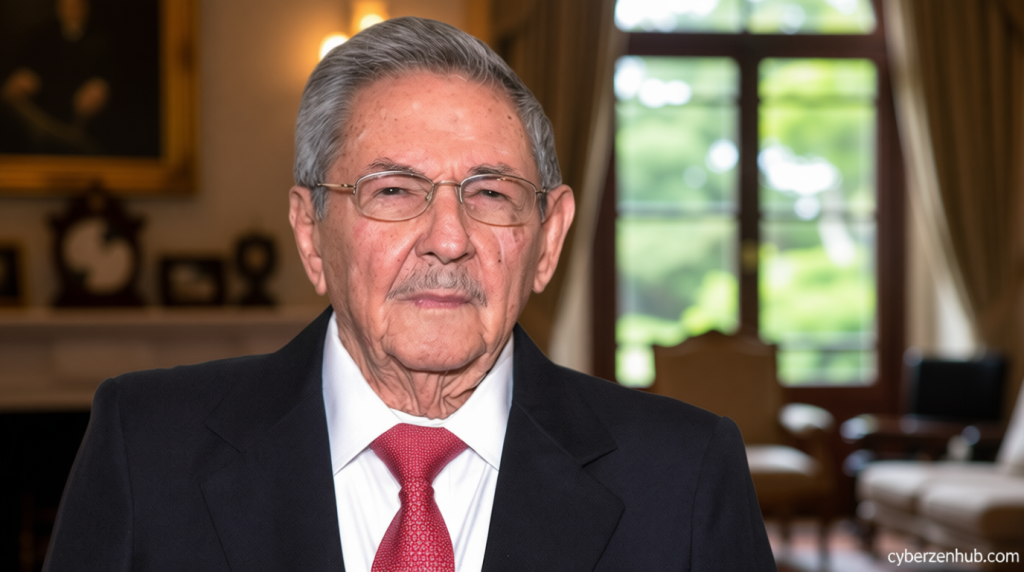
US Considers Indicting Former Cuban President Raul Castro, Sources Say
Possible US indictment of former Cuban – Reports indicate the United States may soon file a criminal indictment against Raul Castro, Cuba’s former leader, as part of a renewed push to hold its leadership accountable. Sources close to the investigation suggest that the Southern District of Florida is preparing to charge Castro for his alleged role in the 1996 downing of two civilian aircraft by Cuban military forces. This development comes as President Donald Trump’s administration intensifies its efforts to target Cuba’s actions in international affairs, including the incident that claimed four American lives.
Background of the Legal Action
The 1996 event, in which Cuban air defense units shot down two planes operated by the humanitarian group Brothers to the Rescue, has been a focal point of U.S. investigations for years. The incident, which occurred on February 24, 1996, led to significant diplomatic friction and prompted the U.S. to impose economic sanctions on Cuba. The current probe, based in Miami, seeks to establish whether Castro’s administration knowingly authorized the attack, which targeted unarmed civilian aircraft.
“Cuba is going to be next,” Trump stated during a recent press briefing, positioning the nation as a strategic target after previous actions against Iran. The remark highlights the administration’s intent to leverage legal charges as a tool for geopolitical pressure, with Castro’s indictment seen as a symbolic step in this campaign.
Castro’s Leadership and U.S. Relations
Raul Castro, who led Cuba from 2006 to 2021, has been a central figure in U.S.-Cuban tensions. His tenure was marked by a combination of economic reforms and a hardline stance toward U.S. policy, particularly regarding human rights and trade restrictions. The potential indictment of Castro could signal a shift in the U.S. approach to holding Cuban leaders responsible for historical actions, especially those involving military aggression.
The Southern District of Florida, known for handling high-profile cases, is expected to present the charges with an emphasis on Cuba’s alleged violations of international law. This legal strategy aligns with Trump’s broader objective of reasserting American influence in Latin America and strengthening ties with allies who have criticized Cuba’s policies. The indictment would add a new layer to the ongoing narrative of U.S. efforts to confront Havana’s leadership.
Historical and Current Context
The Brothers to the Rescue, a U.S.-based organization, had been monitoring Cuba’s activities and delivering aid to dissidents when their planes were intercepted. The 1996 attack, widely perceived as an act of state-sponsored aggression, remains a defining moment in U.S.-Cuban relations. While Cuba has consistently denied direct involvement, the incident has fueled decades of scrutiny and served as a catalyst for economic sanctions.
Raul Castro, who assumed leadership after Fidel Castro, maintained a cautious but firm approach to U.S. relations. His government introduced gradual reforms while resisting full normalization of ties. The current indictment, if finalized, would reflect a more assertive stance under Trump, contrasting with the Obama era’s diplomatic efforts. This move underscores the evolving dynamics between the two nations and the role of Castro in shaping Cuba’s international image.
Political and Strategic Impact
The possible US indictment of former Cuban president Raul Castro could have far-reaching implications for Cuba’s political landscape. Analysts suggest it may pressure current leadership to distance themselves from past actions while reinforcing the U.S. narrative of Cuban aggression. The charges, if pursued, would also serve as a reminder of the enduring impact of the 1996 incident on bilateral relations and the ongoing efforts to hold Havana accountable.
Cuba’s response to the allegations remains unclear, but the government has historically defended its actions as necessary to protect national sovereignty. The indictment could also influence public perception of Castro’s legacy, positioning him as a key figure in the U.S. strategy to isolate Cuba. As the Southern District of Florida moves forward, the case is likely to be framed as both a legal and political statement about Cuba’s role in global affairs.