
House approves bill to fund DHS, ending record-long partial shutdown
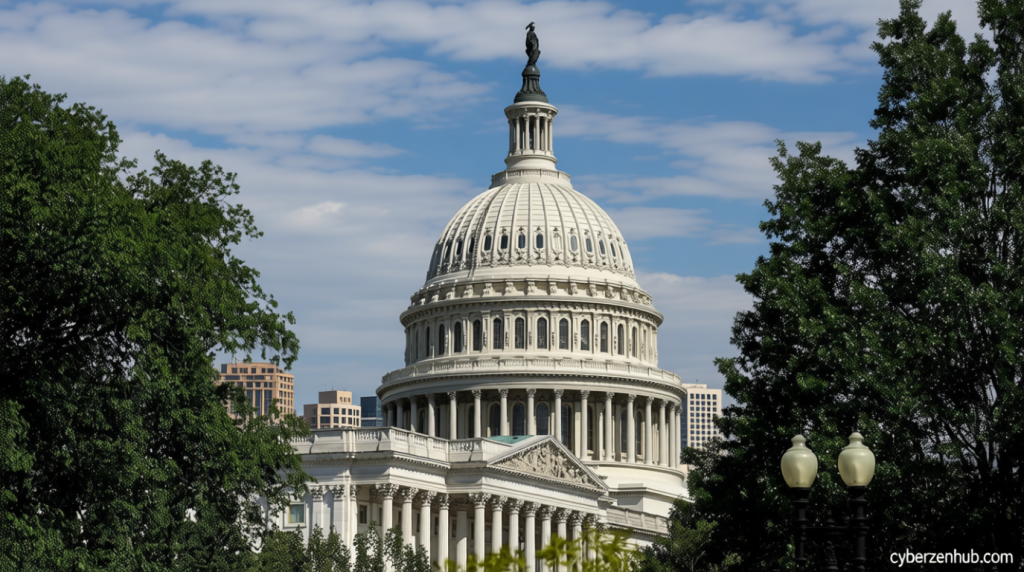
House Approves Bill to Fund DHS, Ending Record-Long Partial Shutdown
House approves bill to fund DHS ending – The U.S. House of Representatives has taken a decisive step toward resolving a prolonged government funding crisis, approving a legislative measure to replenish the budget for the Department of Homeland Security (DHS). This milestone marks the conclusion of a 76-day partial shutdown, the longest in the agency’s history, which had disrupted operations across key federal functions. The bill, which passed without a recorded vote, secures funding for all DHS components except the immigration enforcement branch, a compromise that reflects ongoing debates over border policy and resource allocation.
Compromise Reached Amid Political Tensions
The approval of the DHS funding bill came after months of deliberation and political maneuvering. With the federal government on the brink of further disruption, lawmakers from both parties rallied to pass the legislation, which aims to restore full operations to the agency. The bill’s narrow focus on excluding immigration enforcement from immediate funding has sparked discussion, as some lawmakers argue it allows for continued scrutiny of border policies while addressing urgent needs in other areas of homeland security.
Key provisions of the bill allocate funds to support the Transportation Security Administration (TSA), the Federal Emergency Management Agency (FEMA), and the U.S. Coast Guard, ensuring they can continue their critical roles. However, the decision to withhold funding from immigration enforcement for a limited period has raised questions about the balance between national security priorities and the agency’s broader responsibilities. The compromise was seen as a strategic move to prevent a deeper government shutdown while keeping pressure on the immigration debate.
President Donald Trump, who has consistently emphasized border security as a top priority, is expected to sign the legislation later Thursday. A White House official confirmed that the final approval will be accompanied by a presidential signature, signaling the end of a tense standoff that began in early February. The shutdown had affected over 250,000 federal workers, many of whom were furloughed or working under reduced conditions, and had caused delays in services ranging from air travel to disaster response.
Impact of the Shutdown and Legislative Response
The 76-day partial shutdown has had far-reaching consequences, impacting everything from the daily operations of federal agencies to the morale of public servants. During this time, the TSA faced challenges in maintaining security protocols, while FEMA struggled to respond to natural disasters. The Coast Guard also reported reduced capabilities, affecting search-and-rescue missions and maritime safety efforts. The prolonged funding gap underscored the political stakes of the immigration debate, which had been a central point of contention between Democrats and Republicans.
Lawmakers who supported the bill highlighted its importance in stabilizing government functions and preventing further economic fallout. “This is a crucial victory for ensuring the continued operation of vital agencies,” said a House representative. “While we remain committed to addressing border security, we cannot afford to let other critical services suffer.” Conversely, critics from the opposition party argued that the bill’s exclusion of immigration enforcement could be used as a negotiating tool to push for more stringent border policies. “We’re funding the rest of DHS but leaving immigration enforcement in limbo,” noted a senator. “This creates an opportunity for the administration to rethink its approach to immigration control.”
As the bill moves to the President’s desk, it represents a turning point in the ongoing funding negotiations. The decision to pass the legislation without a recorded vote suggests a consensus among House members, despite lingering disagreements. However, the final outcome remains uncertain, as the President’s approval is a necessary step before the shutdown is officially ended. Analysts suggest that the bill’s passage may pave the way for broader legislative agreements, but the road to full funding for the entire DHS is likely to be complex.
Broader Implications for Government Operations
The resolution of the DHS funding crisis highlights the delicate interplay between legislative action and executive authority in managing federal budgets. While the bill addresses immediate needs, it also sets the stage for future debates on how to allocate resources across the agency’s various functions. Immigration enforcement, which has been a focal point of the shutdown, will now be funded through a separate process, potentially leading to new negotiations or policy adjustments.
Experts warn that the partial shutdown has already cost the government millions in lost productivity and delayed projects. “The 76-day period has strained operations and created inefficiencies,” said a fiscal policy analyst. “Restoring funding is essential, but it also means addressing the underlying issues that led to the shutdown in the first place.” The bill’s passage is expected to alleviate immediate concerns but may not fully resolve the long-term funding challenges facing the DHS.
Public reaction to the bill’s approval has been mixed. While many workers and service providers expressed relief at the end of the shutdown, others remain critical of the political process that led to the compromise. “It’s a relief to have the government back on track, but we should have been able to reach a more comprehensive agreement,” said a constituent. “The exclusion of immigration enforcement feels like a half-step.” Despite these sentiments, the bill’s approval is seen as a necessary measure to prevent further instability in federal operations.
As the legislation nears final approval, attention shifts to the broader implications for the government’s financial health. The partial shutdown has served as a test case for how budget disputes can impact daily functions, and the resolution of this crisis may influence future approaches to funding federal agencies. With the President set to sign the bill, the focus will turn to implementing the measure and addressing the remaining issues that could lead to a full shutdown in the near future.
US Capitol, April 20, 2026. Photo by Leigh Vogel/Getty Images.
This is a developing story. Further updates will be provided as the bill progresses through the final stages of approval and as the administration prepares for the next steps in its funding strategy. The resolution of the DHS funding issue is a significant achievement, but it also underscores the need for more cohesive legislative processes to avoid similar disruptions in the future.