
‘Our collective strength’ — 4 takeaways from King Charles III’s address to Congress
Our Collective Strength: Four Key Takeaways from King Charles III’s Address to Congress
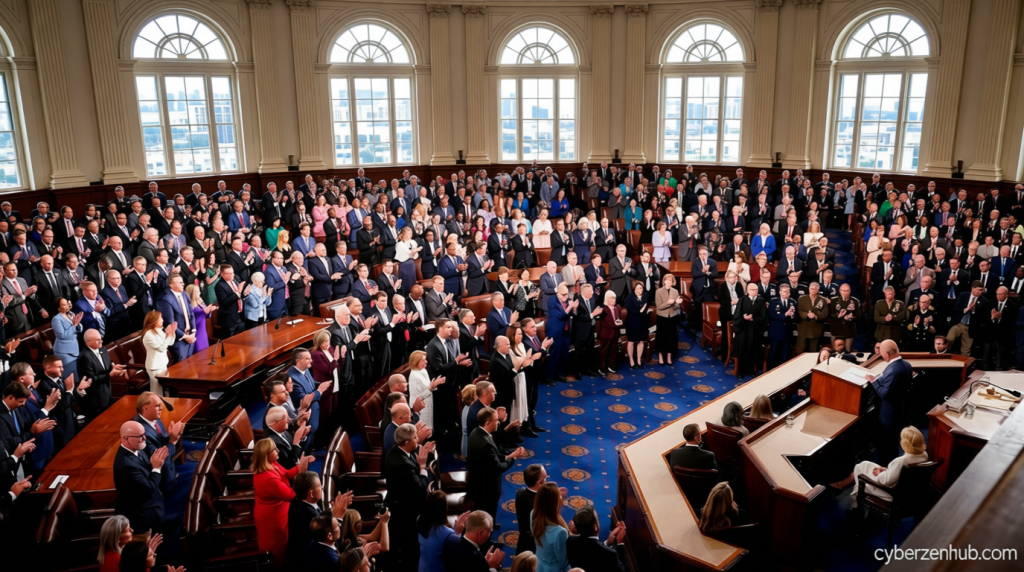
Our collective strength 4 takeaways – On April 28, 2026, King Charles III took to the podium in the House Chamber of the U.S. Capitol, delivering a speech that resonated deeply with lawmakers and captured the attention of a historically divided Congress. The event, marked by an overwhelmingly filled room and a palpable sense of camaraderie, offered a stark contrast to the previous State of the Union address, which had been plagued by empty seats and interruptions. This royal address, received with bipartisan applause, highlighted the enduring bond between the United States and the United Kingdom, as well as the pressing need for unity in the face of global challenges.
Rebuilding Cross-Atlantic Trust
One of the most notable aspects of the speech was its ability to bridge partisan divides. The House Chamber, typically a microcosm of political polarization, buzzed with laughter and engagement throughout the king’s remarks. This was a rare sight, as lawmakers often appear distracted or disengaged during presidential addresses, even from their own party. Charles III’s message of shared history and collective purpose seemed to resonate across party lines, with no members visibly disengaged or leaving the room in protest.
“Our common ideals were not only crucial for liberty and equality, they are also the foundation of our shared prosperity.”
The king emphasized the long-standing alliance between the two nations, calling it a partnership rooted in decades of collaboration rather than fleeting political trends. His tone was warm and encouraging, aiming to reinforce the significance of the relationship in an era of geopolitical uncertainty. By framing the U.S.-UK bond as a historical necessity, Charles III underscored how this alliance has withstood the test of time, even amid shifting global power dynamics.
Reaffirming NATO’s Role in Global Security
Despite President Donald Trump’s earlier criticism of NATO, the king’s address served as a reminder of the alliance’s enduring importance. Trump had famously stated that the United States “does not need any help” from NATO and questioned its responsiveness to urgent security needs, such as the reopening of the Strait of Hormuz. However, Charles III’s speech reaffirmed the mutual defense, intelligence, and security ties that have been a cornerstone of NATO since its inception.
“NATO WASN’T THERE WHEN WE NEEDED THEM, AND THEY WON’T BE THERE IF WE NEED THEM AGAIN,” Trump wrote on his Truth Social platform.
By contrasting Trump’s skepticism with the king’s steadfast support, Charles III highlighted the strategic value of the alliance. He referenced the pivotal moment when NATO invoked Article 5 in response to the 9/11 attacks, a decision that demonstrated the collective resolve of its members. “We stood with you then, and we stand with you now in solemn remembrance of a day that shall never be forgotten,” the king said, invoking the memory of that historic event to bolster his argument for continued NATO solidarity.
Highlighting Bipartisan Support for Ukraine
Another key theme of the speech was the call for unity in addressing contemporary conflicts, particularly in Ukraine. While the legislative branch has seen internal disagreements over military aid to the country, Charles III’s mention of peace efforts in the region sparked a wave of bipartisan applause. The king framed the situation as a continuation of the shared resolve that has defined the alliance throughout history, from the World Wars to the Cold War and beyond.
“We answered the call together, as our people have done so for more than a century, shoulder to shoulder through two world wars, the Cold War, Afghanistan, and moments that have defined our shared security,” the king said.
His words served as a rallying cry for maintaining the collective strength of the alliance. By linking the current crisis in Ukraine to past struggles, the king emphasized the importance of sustained commitment to global stability. The response from Congress underscored how the nation’s leaders are beginning to see the necessity of working across ideological lines to address shared threats.
Emphasizing Shared Values and Future Resilience
Charles III’s speech also focused on the cultural and ideological foundations of the U.S.-UK relationship. He pointed to the values of liberty, equality, and prosperity as the bedrock of their partnership, arguing that these principles are not just historical artifacts but vital tools for navigating modern challenges. His message carried a tone that was both light and hopeful, even as he acknowledged the complexities of the current political landscape.
While the atmosphere in the House Chamber was one of optimism, the king was careful to balance this with a realistic assessment of the obstacles ahead. He spoke of the need for vigilance and cooperation, stressing that the alliance’s strength lies in its ability to adapt to changing circumstances. “Our common ideals were not only crucial for liberty and equality, they are also the foundation of our shared prosperity,” he reiterated, reinforcing the idea that the U.S. and U.K. are bound by more than just strategic interests—they share a vision for the future.
Throughout the address, Charles III’s presence commanded respect, with lawmakers demonstrating a level of attentiveness that is uncommon in today’s political climate. The standing ovations and sustained applause reflected a collective acknowledgment of the king’s message, which was both timely and thoughtfully crafted. As he concluded his remarks, the audience remained engaged, signaling a potential shift in the way Congress views transatlantic cooperation.
The king’s visit to Washington also included meetings with key legislative figures, further cementing the relationship between the two nations. During his time at the Capitol, he engaged with Speaker of the House Mike Johnson, Senate Majority Leader John Thune, Senate Minority Leader Chuck Schumer, and House Minority Leader Hakeem. These interactions underscored the commitment of both the U.S. and the U.K. to maintaining a strong working relationship, even as domestic priorities continue to shape the political landscape.
In an age where division often seems the norm, King Charles III’s address to Congress offered a rare moment of shared purpose. His ability to connect with lawmakers, regardless of their political affiliations, demonstrated the power of storytelling and diplomacy in fostering unity. By drawing parallels between past struggles and present challenges, the king not only honored the legacy of the U.S.-UK alliance but also laid the groundwork for a more collaborative future. As the speech concluded, the House Chamber remained filled with a sense of hope and determination, reflecting the impact of a message that resonated far beyond the walls of the Capitol.
The event also served as a reminder of the symbolic weight of royal visits to the United States. While the king’s role as a constitutional monarch may not directly influence policy, his presence often galvanizes public sentiment and reinforces the importance of international partnerships. In a world increasingly defined by competing interests, the king’s call for solidarity was both a tribute to the past and a blueprint for the challenges that lie ahead. His speech, met with warm reception, may have left a lasting impression on lawmakers and citizens alike, rekindling a sense of shared destiny between two nations that have long stood as pillars of global stability.