
Judge denies Sam Bankman-Fried new trial after financial fraud conviction
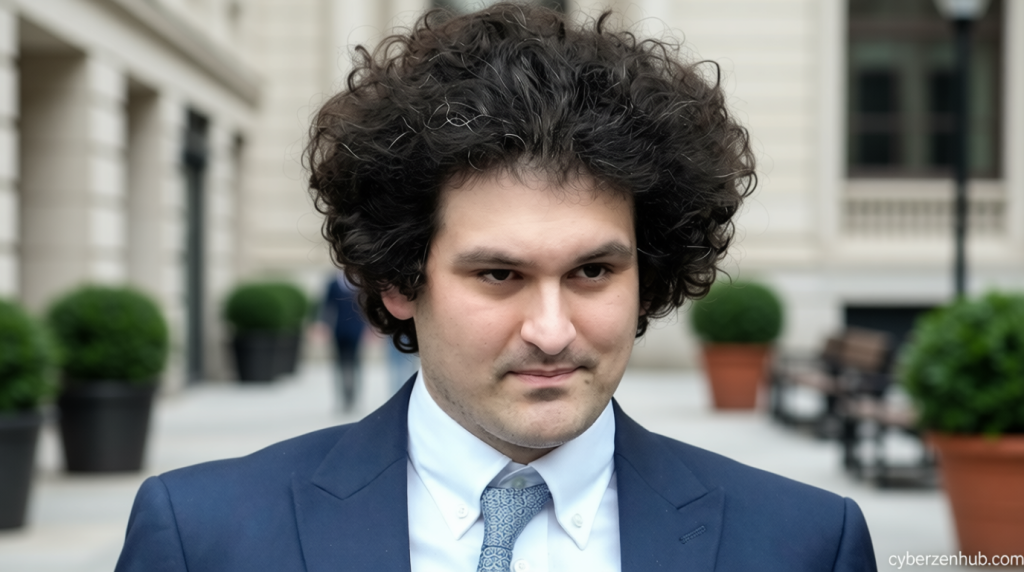
Judge Denies Sam Bankman-Fried New Trial After Financial Fraud Conviction
Judge denies Sam Bankman Fried new trial – On February 16, 2023, a federal judge in New York rejected Sam Bankman-Fried’s motion for a new trial, dismissing his argument that newly identified witnesses could provide exculpatory evidence. The ruling solidified his conviction for orchestrating one of the most significant financial fraud cases in recent history, which culminated in the collapse of the cryptocurrency exchange FTX. Bankman-Fried, now 34, had previously been found guilty of multiple charges related to the scandal, and the denial of his latest appeal marks the end of a prolonged legal battle to overturn his sentence.
The FTX collapse, which sent shockwaves through the global financial system, was the centerpiece of Bankman-Fried’s criminal trial. The company, once a dominant player in the crypto market, had accumulated billions in assets and customers, only to unravel in a matter of weeks. Prosecutors alleged that Bankman-Fried exploited his position as founder and CEO to siphon funds from FTX into his personal ventures, including his hedge fund Alameda Research. This misappropriation of assets, they argued, led to the insolvency of FTX and the loss of billions for investors and customers.
Bankman-Fried had previously claimed that his actions were justified and that the company’s downfall was not entirely his fault. However, the jury in his 2023 trial unanimously convicted him on all seven counts, including fraud, conspiracy, and money laundering. The charges stemmed from a scheme in which he allegedly used customer deposits to cover losses at his hedge fund, repay loans, and finance personal expenditures like luxury real estate. The trial, which took place over several months, concluded with a sentence of 25 years in prison and an order to forfeit $11 billion to compensate victims.
Arguments for a New Trial: A Post-Indictment Strategy
Following the conviction, Bankman-Fried’s legal team argued that new evidence had emerged, suggesting that the jury might have been misled. They contended that three witnesses, whose testimony could have cleared him of wrongdoing, were only recently identified and had not been called to testify during the original trial. The judge, however, dismissed this claim as insufficient to warrant a retrial. According to Lewis Kaplan, the presiding judge, the witnesses were not “newly discovered” but were known to Bankman-Fried well before the trial began.
“None of the witnesses, for example, is ‘newly discovered.’ Bankman-Fried well before trial knew all three of them and purportedly knew also what he hoped they would say were they to testify. He could have obtained or at least sought to compel their testimony. But he did neither,” Kaplan said.
Kaplan emphasized that Bankman-Fried had ample opportunity to gather evidence from these individuals during the trial process. The judge criticized the motion as part of a broader strategy to salvage the founder’s reputation, noting that the arguments were crafted after FTX’s bankruptcy but before his indictment. This timing, Kaplan argued, suggested a deliberate attempt to present a narrative that would undermine the jury’s findings.
The judge also pointed out that the witnesses had not provided any compelling evidence to support Bankman-Fried’s claims of FTX’s financial health. Specifically, they did not confirm that the exchange was solvent at the time of its collapse or that all victims had been fully compensated through bankruptcy proceedings. “This motion appears to be one part of a plan to rescue his reputation that Bankman-Fried hatched and even committed to writing after FTX declared bankruptcy but before he was indicted,” Kaplan added.
The FTX Collapse: A Catalyst for Legal Reckoning
The downfall of FTX began in late 2022 when the company’s financial troubles became public. With over $30 billion in assets and millions of users, FTX had positioned itself as a cornerstone of the cryptocurrency industry. However, a series of events, including the discovery of a massive liquidity shortfall and the revelation of an interdependent relationship between FTX and its sister company Alameda Research, led to a catastrophic loss of confidence. Customers and investors, fearing the exchange’s insolvency, rushed to withdraw funds, triggering a chain reaction that left the company bankrupt.
Bankman-Fried’s role in the crisis was central to the prosecution’s case. According to federal prosecutors, he had systematically transferred assets from FTX to Alameda, using customer deposits as a buffer for his own financial ventures. This strategy, they argued, created a Ponzi-like structure where the exchange’s survival depended on continuous inflows of new capital. When the flow stopped, the entire system collapsed, leaving investors with massive losses and FTX’s creditors with no recourse.
The trial, which began in the fall of 2022, was a high-profile event that drew widespread attention. Witnesses testified about the exchange’s operations, the decisions made by Bankman-Fried, and the financial consequences of his actions. Despite his efforts to defend himself, the jury found him guilty on all counts, underscoring the gravity of the allegations. The conviction was a major blow to Bankman-Fried, who had previously been seen as a promising figure in the world of finance and technology.
Implications of the Ruling: A Definitive Sentence
With the denial of a new trial, Bankman-Fried’s case has reached its conclusion. The 25-year prison sentence, which was handed down in 2024, is among the longest for a financial fraud conviction in U.S. history. Alongside this, the order to forfeit $11 billion ensures that the victims of the FTX collapse will receive some form of compensation. However, the judge noted that the government could use this amount to settle claims against the company, leaving Bankman-Fried personally liable for a significant portion of the losses.
The ruling also has broader implications for the cryptocurrency industry. FTX’s collapse was a turning point in the sector, exposing vulnerabilities in decentralized finance systems and raising questions about regulatory oversight. Bankman-Fried’s conviction serves as a cautionary tale for entrepreneurs who rely on rapid growth and speculative investments. As the judge emphasized, the case highlights the importance of accountability in financial leadership, particularly when the consequences of mismanagement can affect millions of people.
While the legal proceedings have concluded, the story of FTX and its founder continues to unfold. The $11 billion forfeiture is a critical component of the resolution, but it remains to be seen how the funds will be distributed to those impacted by the collapse. Additionally, ongoing investigations into the exchange’s operations and Bankman-Fried’s personal finances may reveal further details about the extent of the fraud. The public and regulatory bodies will be watching closely as the fallout from this case reshapes the landscape of cryptocurrency and financial regulation.
Bankman-Fried’s legal team has not yet announced plans to appeal the decision, though they may seek to challenge the sentence or the forfeiture amount. The ruling, however, signals the end of the road for his efforts to overturn the conviction. As he prepares to serve his sentence, the former CEO’s legacy will be defined by the actions that led to FTX’s demise and the legal consequences that followed. The case stands as a landmark example of how financial misconduct can lead to severe personal and professional repercussions, even for those once considered industry leaders.
In a related development, the FTX scandal has prompted discussions about the need for stronger safeguards in the crypto sector. Regulators and lawmakers are examining how to prevent similar collapses in the future, with some calling for stricter oversight of digital asset exchanges. Meanwhile, the victims of FTX’s collapse continue to seek justice, hoping that the legal process will provide them with the compensation they deserve. As the story of Sam Bankman-Fried concludes, its impact on the financial world will linger for years to come.