
Special forces soldier who won $400,000 betting on Maduro’s capture pleads not guilty
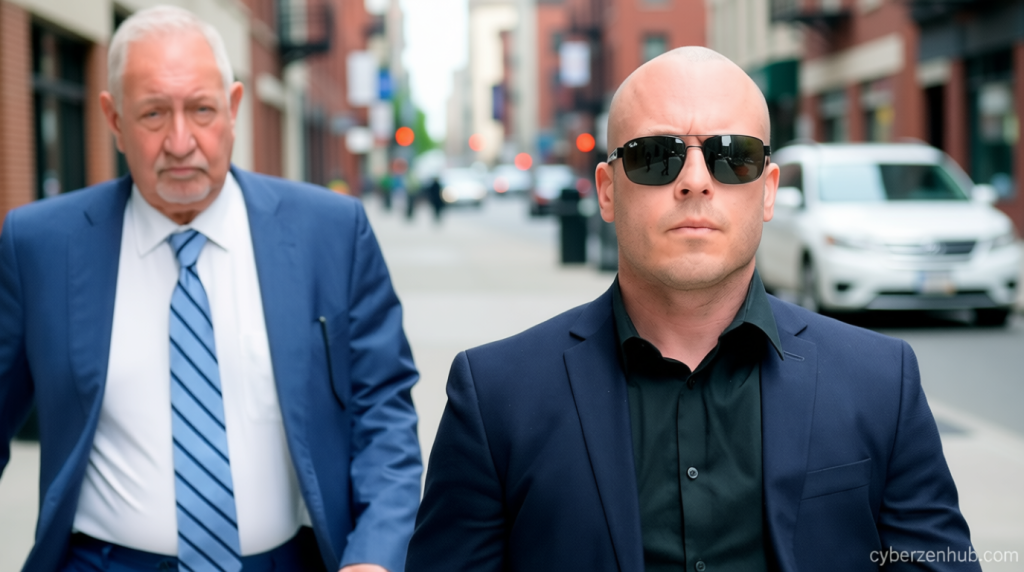
Special Forces Soldier Who Won $400K Betting on Maduro’s Capture Pleads Not Guilty
Special forces soldier who won 400 000 – A U.S. Army special forces soldier, identified as Master Sgt. Gannon Ken Van Dyke, has entered a not guilty plea in a Manhattan federal court, marking a significant development in a case that centers on his alleged use of classified intelligence about the capture of Venezuelan President Nicolas Maduro to secure substantial profits through a betting platform. The soldier’s defense team argued that the charges could be dismissed, emphasizing the novelty of the legal framework surrounding the case. This event has sparked widespread debate about the intersection of military operations, intelligence sharing, and personal financial gains.
The Case Against Van Dyke
Van Dyke, who played a pivotal role in planning the raid that led to Maduro’s apprehension in Caracas, was indicted on charges of misuse of confidential governmental information. The indictment alleges that he leveraged his knowledge of the operation to place bets on the successful capture of Maduro via the Polymarket platform, a decentralized betting system that allows users to wager on geopolitical events. According to court documents, the soldier’s actions resulted in earnings exceeding $400,000, raising questions about the ethical boundaries of using insider knowledge for personal benefit.
The charges against Van Dyke include conspiracy to commit fraud and disclosure of classified information. Prosecutors argue that his actions compromised national security by exposing sensitive details of the operation to a private betting platform. In contrast, his defense team contends that the evidence linking him to the alleged profits is circumstantial and that the charges fail to account for the broader context of his military duties. The case has become a focal point for discussions on how intelligence leaks are defined and prosecuted in modern warfare.
The Legal Proceedings
During the hearing, Judge Margaret Garnet questioned Van Dyke about his plea and the implications of the charges. The soldier, standing alongside his attorneys Zach Intrater, Mark Geragos, and Tina Glandian, confidently asserted his innocence, with his defense team framing the case as a potential landmark in legal history. The attorneys highlighted that the indictment hinges on the interpretation of classified information and the intent behind its disclosure, suggesting that the trial may hinge on arguments over the classification of the data Van Dyke accessed.
Van Dyke’s arrest occurred last week at Fort Bragg, where he was stationed, and he was later brought before the court for the plea hearing. His defense team noted that his current status in the military is “unsettled,” as he remains on administrative leave pending the outcome of the case. The courtroom atmosphere was tense, with Van Dyke’s attorneys emphasizing the need for a fair trial and the potential for the charges to set a precedent for military personnel in similar situations.
“This is anything but a usual case,” remarked Zach Intrater, the defense attorney, during the hearing. He explained that the charges represent a unique blend of military law and financial misconduct, making the case a test of how courts balance personal profit with operational secrecy. The defense team anticipates a robust argument in the coming weeks, focusing on the legal definitions of “confidential” information and the extent to which Van Dyke’s actions were justified by his role in the mission.
As the trial progresses, the case will likely draw attention to the growing role of betting platforms in shaping public perception of geopolitical events. Van Dyke’s $400,000 winnings underscore how such platforms can incentivize individuals to bet on outcomes they may have insider knowledge of. The soldier’s defense is expected to challenge the prosecution’s narrative, arguing that his participation in the operation was a legitimate part of his duties and that the profits were a direct result of his strategic insights rather than deliberate misconduct.
This legal battle not only impacts Van Dyke personally but also highlights the evolving landscape of national security and financial accountability. The case may set a precedent for how military personnel are held responsible for using classified information in civilian contexts, particularly in an era where the lines between public and private information are increasingly blurred. With the potential for a high-profile verdict, the special forces soldier’s plea of not guilty has become a symbol of broader debates about transparency, secrecy, and the personal stakes involved in modern military operations.