
Florida biologist fired over Charlie Kirk post after his death wins $485K settlement
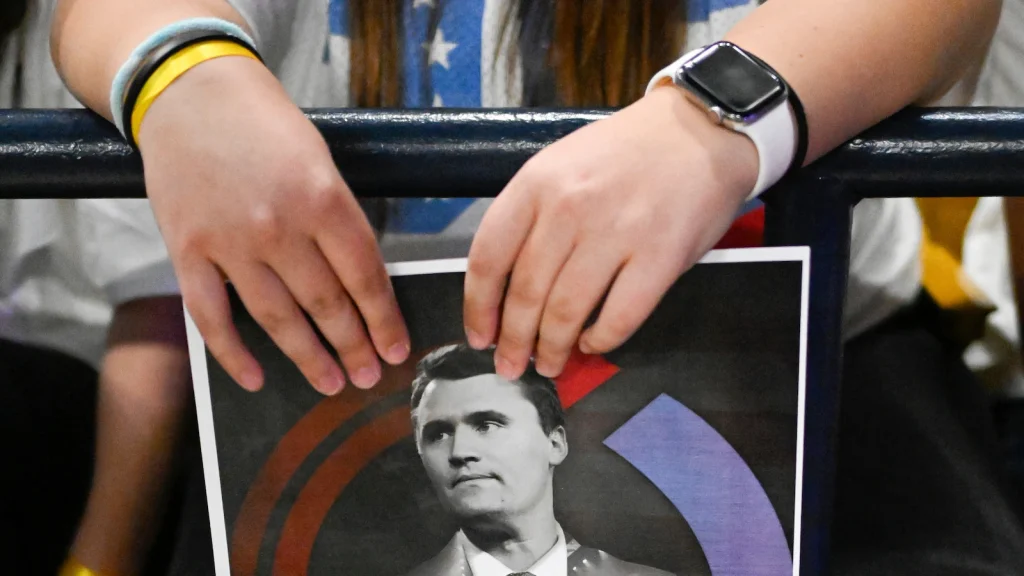
Florida Biologist Secures $485,000 Settlement After Being Fired for Social Media Post on Charlie Kirk
Florida biologist fired over Charlie Kirk – A biologist from Florida has reached a settlement with state officials, receiving nearly $485,000 to compensate for her wrongful termination. The dispute began in September when Brittney Brown, a research scientist with the Florida Fish and Wildlife Conservation Commission, was dismissed for sharing a social media post criticizing conservative activist Charlie Kirk shortly after his death. Brown’s case highlights the growing scrutiny of workplace speech in the wake of Kirk’s assassination, which sparked a wave of backlash across political and professional circles.
Repost Sparks Immediate Consequences
Brown’s firing followed her decision to reshare a meme on her personal Instagram account. The post, which depicted Charlie Kirk as indifferent to children being shot in classrooms, became a flashpoint for controversy. The state agency, which oversees research in bird conservation, claimed the comment undermined its credibility and disrupted internal harmony. Despite the post being made on a personal platform, the commission deemed it a professional misstep, leading to Brown’s dismissal without prior warning.
After losing her job, Brown initiated a legal action to reclaim her position, arguing that the agency had unjustly targeted her for her views. She emphasized that the state agency was the primary authority for her specialized field, making it harder for her to secure alternative employment. The lawsuit also highlighted the broader implications of the firing, suggesting that her termination might have been a precedent for punishing dissent in public service.
Broader Ripple Effect on Employment
Brown’s case is part of a larger trend where both public and private sector employees faced job losses for expressing opinions on Charlie Kirk’s assassination. The incident, which occurred on a Utah university campus, led to widespread outrage, with conservative groups actively monitoring social media for posts they perceived as celebratory of Kirk’s death. Influencers like Laura Loomer joined the campaign, vowing to sabotage careers of individuals who trivialized the tragedy, while the conservative social media collective Libs of TikTok played a central role in identifying and publicizing critics.
Within days of the Sept. 10 shooting, Brown’s termination was linked to Libs of TikTok’s actions. According to her lawsuit, the account amplified her post and shared details of her workplace before her dismissal was finalized. Brown stated that someone from the account notified her employer about her termination just 10 minutes after the decision was made, underscoring the rapid pace of political retaliation in the digital age.
Settlement Terms and Future Employment Conditions
On Thursday, Brown finalized a $485,000 settlement agreement with the agency’s directors. The compensation covered unpaid wages, damages, and legal expenses incurred during the dispute. As part of the deal, she agreed to forgo future employment opportunities with the commission, a concession that reflects the pressure of the case. However, the settlement has been framed as a victory for free speech advocates, who argue it demonstrates that public officials cannot suppress criticism without due process.
While the agency did not immediately comment on the agreement, the case has drawn attention to the balance between workplace conduct and constitutional rights. The settlement also sets a precedent for employees facing similar repercussions, emphasizing the importance of defending free expression even in the face of political backlash.
Other Cases Emerge in Tennessee and Beyond
Another notable case involving Charlie Kirk’s assassination took place in Tennessee, where a retired police officer was jailed for 37 days after posting a Facebook comment joking about the event. The man, Larry Bushart, claimed the comment led to his job loss and forced him to miss the birth of his granddaughter. The lawsuit against the state eventually resulted in a $835,000 settlement, with officials agreeing to resolve the dispute without further legal action. This case, like Brown’s, illustrates the far-reaching consequences of social media-driven political campaigns.
Both cases underscore the tension between public sentiment and individual rights, with legal battles unfolding as employees seek redress for perceived overreach. The outcomes may influence future policies on how employers handle speech-related disputes, particularly in politically charged environments.
Legacy of Charlie Kirk and Political Mobilization
Charlie Kirk, who had previously helped galvanize the conservative youth vote during Donald Trump’s re-election campaign, became a symbolic figure in the aftermath of his death. His supporters, including the organization he founded, Turning Point USA, launched a rapid response to the Sept. 10 shooting, with social media becoming a battleground for public opinion. The movement led to a surge in complaints against individuals deemed to have celebrated his assassination, with Libs of TikTok playing a pivotal role in amplifying the narrative.
Libs of TikTok’s actions in Brown’s case, where it shared her workplace details with millions of followers, exemplify the power of online platforms to shape real-world consequences. The group’s influence contributed to the swift termination of Brown, who later described the process as being “politically weaponized” to silence her voice.
Legal Implications and First Amendment Defense
Carrie McNamara, an attorney with the ACLU of Florida, called Brown’s settlement a “hard-won vindication” for employees whose speech is targeted by employers. She argued that the First Amendment remains a safeguard even for those who accept government positions, stating, “The First Amendment does not disappear when someone accepts a government job.” This sentiment echoes concerns about the erosion of free speech rights in workplaces where political alignment is scrutinized.
Brown’s former supervisor, Melissa Tucker, had initially claimed the post generated hundreds of formal complaints and caused substantial disruption. However, evidence later revealed the agency only received approximately 50 complaints, raising questions about the validity of the dismissal. U.S. District Judge Mark Walker recently imposed sanctions on Tucker for exaggerating the impact of the post, a decision that highlights the importance of transparency in workplace disciplinary actions.
The cases of Brown and Bushart represent a pivotal moment in the intersection of politics, social media, and employment law. They serve as reminders of how quickly public figures can become targets of political campaigns, with their careers and livelihoods at stake. As more lawsuits emerge, the legal landscape may shift to better protect employees from disproportionate consequences for their speech.