NATO’s Trump Whisperer Heads to the White House to Soothe the President
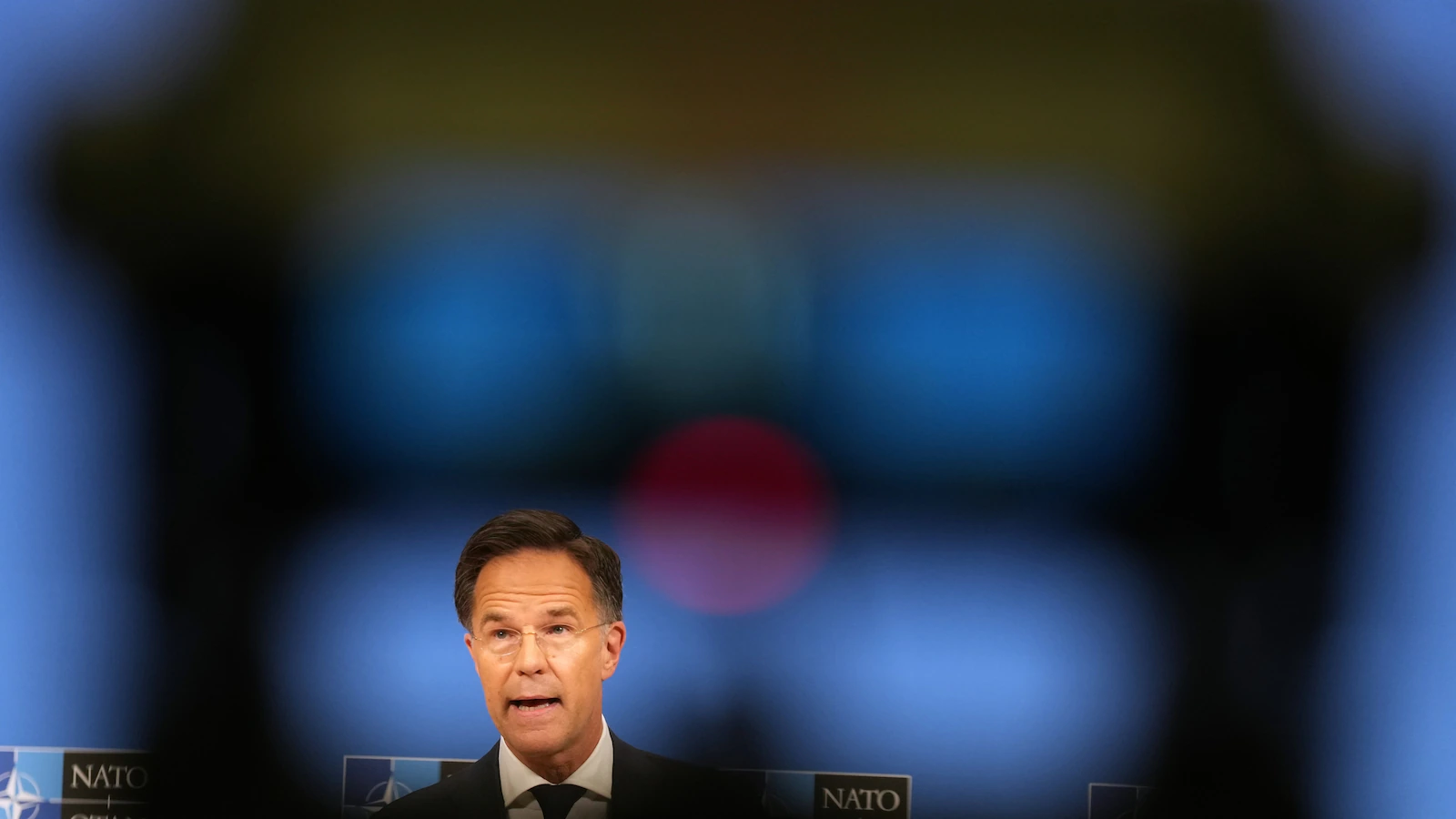
Cyberzenhub.com – Washington, D.C. — NATO Secretary-General Mark Rutte is set to meet with President Donald Trump in person this week, marking a critical diplomatic effort to address growing tensions within the alliance. The visit occurs just days before the upcoming NATO summit in Turkey, a key event where the U.S. and its European partners will convene to discuss strategic priorities. This meeting comes amid heightened concerns over the Pentagon’s evaluation of the American military’s presence in Europe, a process that has stirred debates about the U.S. commitment to the alliance’s collective defense.
Trump’s NATO Concerns Intensify
Since taking office, Trump has repeatedly questioned NATO’s effectiveness, arguing that member nations shoulder insufficient financial responsibility. His frustration has intensified in recent months, particularly following the Iran conflict, where he criticized European allies for not supporting his plan to revive oil exports through the Strait of Hormuz. The U.S. military’s deployment in Europe has become a focal point of his discontent, with Trump threatening to withdraw from the alliance if his demands are not met.
“Europe is going to pay in a BIG way, as they should, and it will be your win,” Rutte said in a text message he sent to Trump last year.
This sentiment underscores the ongoing debate over NATO’s funding and strategic role. The alliance, established in 1949 to counter the Soviet Union during the Cold War, relies on a mutual defense pact that obliges members to protect one another in case of an attack. Despite this foundational agreement, the last time it was invoked was in 2001, when the U.S. sought support after the Sept. 11 attacks.
Rutte’s Diplomatic Strategy
Mark Rutte, often dubbed the “Trump whisperer,” has earned a reputation for navigating the U.S. president’s volatile temperament. His ability to charm Trump has been instrumental in maintaining the alliance’s stability, particularly as the latter has oscillated between withdrawing from international commitments and reasserting his vision for global leadership. Rutte’s mission this time is to reassure Trump that NATO remains a vital partnership, even as the administration considers scaling back its military footprint in Europe.
During a recent meeting at NATO headquarters in Brussels, U.S. Defense Secretary Pete Hegseth voiced similar concerns, announcing a six-month review of American forces in Europe. Hegseth criticized European allies for not fully endorsing the use of European bases in attacks on Iran, a move that has raised eyebrows among NATO members. The lack of consultation on the Iran war prior to its initiation has left some allies questioning Trump’s strategic decisions and their long-term implications.
Historical Context and Strategic Implications
Rutte’s efforts to calm Trump’s anxieties are not new. Last year, he famously referred to the president as “daddy” during the NATO summit, a gesture that combined flattery with a clear message of solidarity. This approach has been complemented by his tendency to echo Trump’s rhetoric, such as emphasizing the importance of increased defense spending. Trump’s push for NATO members to commit 5% of their GDP annually to defense by 2035 has been a recurring theme in Rutte’s diplomatic outreach.
The meeting on Wednesday is expected to be Rutte’s most recent attempt to align Trump with NATO’s objectives. His focus on the alliance’s defense commitments and the mutual security framework has been a consistent strategy, even as Trump has floated the idea of reducing U.S. military involvement in Europe. Rutte’s ability to temper Trump’s impulsive tendencies has been crucial, especially after the Republican leader’s controversial threats to annex Greenland, a semiautonomous territory of Denmark.
Public Engagement and Media Influence
Rutte’s diplomatic approach has also extended to public engagement, with his recent appearance on Fox News Channel highlighting his efforts to connect with Trump’s audience. As a frequent viewer of the network, Trump has shown a particular interest in Rutte’s statements, which have been carefully crafted to reflect his leadership style. During the interview, Rutte reiterated his support for Trump’s actions in Iran, calling the president “the leader of the NATO alliance” and praising his efforts to secure the region’s oil supply.
The exchange of messages between Rutte and Trump has become a point of discussion, with Rutte’s text message to the president—featuring exaggerated capitalization—drawing attention for its casual yet deferential tone. Trump shared the message on social media, amplifying Rutte’s efforts to project a sense of unity. This public display of alignment underscores the importance of communication in maintaining the alliance’s cohesion, especially as Trump’s administration continues to test the resolve of European partners.
Global Reactions and Future Outlook
While Rutte’s charm has temporarily eased Trump’s frustrations, the broader implications of the Pentagon’s review remain a topic of debate. European allies have expressed unease over the potential reduction of U.S. military presence, which they argue could weaken NATO’s collective security posture. The alliance’s future will be shaped by the outcomes of this summit and the decisions made in the coming weeks. For Trump, the meeting represents another step in his strategy to assert American dominance and secure favorable terms from his international partners.
As the NATO leaders’ summit approaches, the dynamics between the U.S. and its allies will be closely watched. Rutte’s role in this process has been pivotal, and his success in softening Trump’s stance will determine the alliance’s ability to navigate these challenges. Whether his diplomatic finesse can withstand the next round of negotiations remains to be seen, but for now, the meeting in the White House signals a renewed push to maintain the alliance’s stability.
Related Articles
Popular Reads: – Iran updates: Iran says military’s ‘ready to respond’ amid Trump threats (June 21, 4:39 PM) – Tesla allegedly in driver-assist mode crashes into house, woman killed: Investigators (June 22, 4:02 PM) – Trump says US and Iran have reached a deal, opening the Strait of Hormuz (June 14, 2:51 PM)
Rutte’s interactions with Trump have become a hallmark of his tenure as NATO Secretary-General. From private messages to public interviews, his strategy has been to mirror the president’s language and priorities, fostering a sense of shared purpose. While some may view his praise as excessive, others argue that it is necessary to keep the U.S. engaged in NATO’s mission. As the alliance faces its most turbulent period since the Cold War, Rutte’s efforts to maintain unity will be critical in determining its future direction.