Vance Details Iran Ceasefire Agreement: Digital Signatures and Uncertain Terms
Cyberzenhub.com – On Monday, Vice President JD Vance outlined the latest developments regarding a U.S.-Iran agreement aimed at extending the ceasefire and initiating discussions to conclude the ongoing conflict. He revealed that the agreement had been “digitally signed,” marking a significant step forward, yet left many questions unanswered about its core components. The deal, Vance emphasized, offered Iran a strategic choice, balancing potential constraints and opportunities depending on their actions.
The Agreement’s Dual Strategy
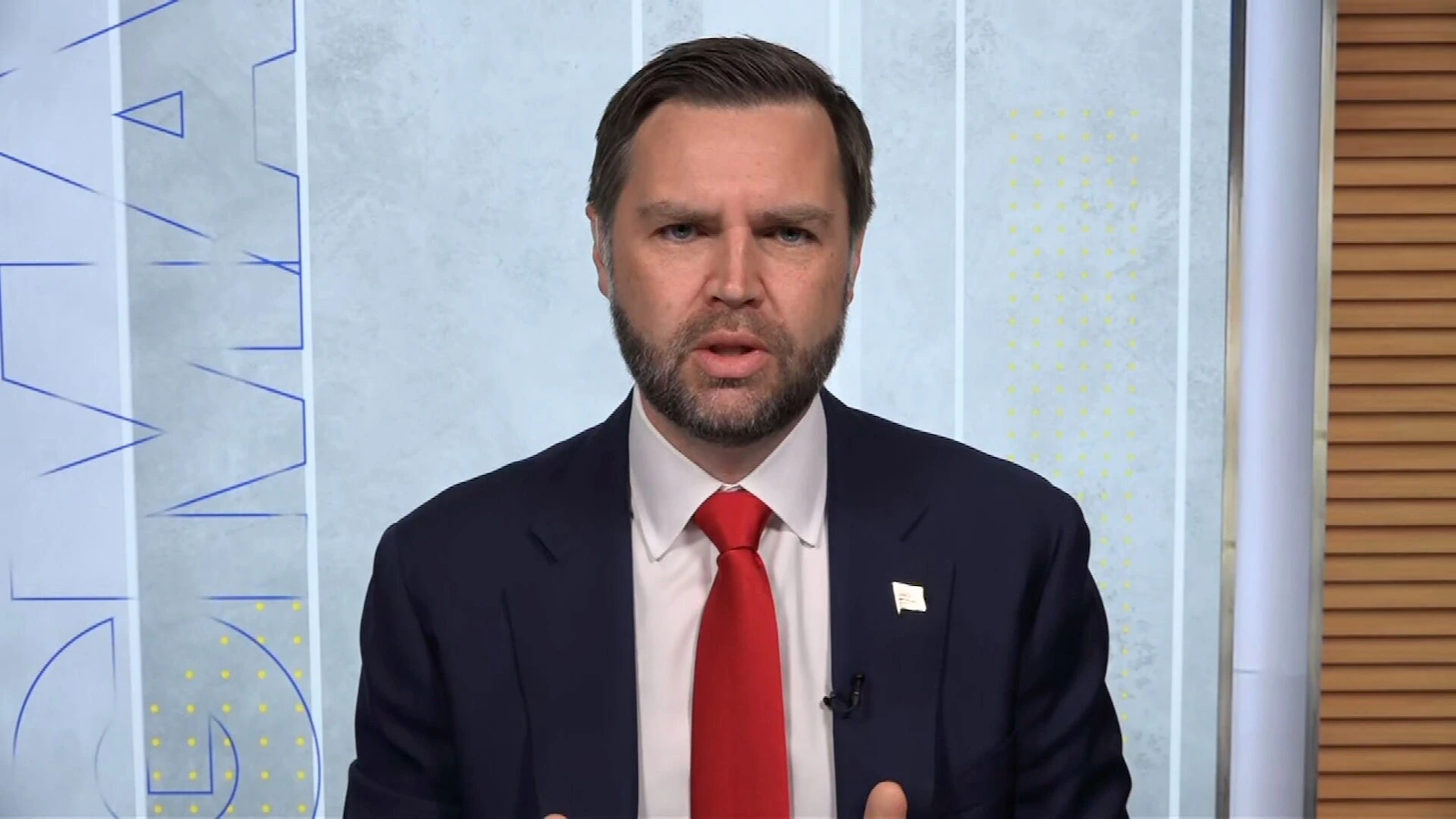
Vance described the agreement as a turning point that grants Iran a “two-path” approach. In an interview with ABC News’ “Good Morning America,” he stated,
“On the one hand, if they continue to try to rebuild their nuclear program, this deal ensures they will never have the resources to do that.” On the other hand, he added,
“if the Iranians are willing to give a long-term commitment—along with proper verification—to giving up that nuclear weapon, we’re willing to welcome them into the world economy, to lift some sanctions and to turn over a new leaf in that relationship.”
This dual framework appears to address both immediate and long-term concerns. By securing digital signatures, the U.S. and Iran have locked in a provisional agreement, but the specifics remain elusive. Vance’s remarks suggest that the deal is designed to offer Iran a path toward economic integration while preventing it from advancing its nuclear capabilities. However, the lack of clarity has sparked questions about its effectiveness.
Digital Signatures and the Road Ahead
Vance’s interview followed a Sunday social media post by President Donald Trump, who claimed the U.S. and Iran had reached a 60-day ceasefire agreement. The vice president confirmed that the deal had been electronically executed but noted a planned signing ceremony on Friday. Yet, the purpose of this event remains ambiguous, as the digital signature suggests the agreement is already binding.
“The full text of the agreement will be released at some point this week,” Vance assured, though he did not specify when. He also mentioned that negotiations would continue, implying the deal is not final. The exact terms, however, have not been disclosed, leaving room for speculation. When asked whether the agreement required Iran to provide “unconditional surrender,” Vance responded,
“what this deal fundamentally does is it reopens the Straits of Hormuz.”
He added,
“you see, oil prices have already come down substantially just in the last 24 hours.”
Despite these statements, Vance’s explanation of the agreement’s scope has been inconsistent. He highlighted that the deal includes provisions for Iran to halt support for terror groups but stopped short of detailing what this entails. The vague nature of the terms has raised concerns among analysts, who argue that clarity is essential for the agreement’s credibility.
Historical Context and Verification Challenges
Iran’s nuclear program has long been a focal point of international diplomacy. While Tehran has consistently asserted its activities are for civilian use, Western officials have pointed to evidence suggesting enrichment efforts exceed peaceful purposes. Vance acknowledged this tension, stating that the agreement hinges on Iran’s willingness to demonstrate transparency. “Forward momentum for the deal will depend on Iranian officials doing the right thing,” he said,
“including allowing for some form of verification to show they are not working toward building a nuclear weapon.”
This requirement for verification underscores the U.S.’s cautious approach. Vance framed the agreement as a “win-win for the American people,” emphasizing its benefits for stabilizing the region. However, he noted that the deal’s success also depends on Iran’s cooperation.
“What the president has said is he wants it to be a win for the Iranian people as well,” Vance explained. “But that requires some real trust building and some real positive conduct from the Iranian political system.”
The vice president added that the U.S. team would remain open to collaboration if Iran meets its obligations.
Geopolitical Implications and Media Scrutiny
Vance’s comments came amid ongoing tensions with Israel, which had previously expressed skepticism about the agreement. When pressed by “Good Morning America” anchor George Stephanopoulos about Israel’s absence from the deal despite its continued hostilities in Lebanon, Vance replied,
“Well, George, everything’s going to depend on how the Iranian political system chooses to act.”
He stressed that the agreement’s viability relies on Iran’s commitment to the terms, even as Israel and other regional actors await further details.
The digital signing process, though efficient, has drawn criticism for its lack of transparency. Vance clarified that funds for Iran would not be released “for simply signing a deal or attending a meeting,” a point he reiterated during the interview. This reassurance aims to counter claims of premature financial commitments, though some remain unconvinced. The arrangement also aligns with broader U.S. goals of balancing diplomatic engagement with strategic leverage in the region.
Public Reaction and Future Steps
The agreement has sparked mixed reactions. Supporters argue it provides a crucial pause in hostilities, allowing for dialogue and reducing the risk of escalation. Critics, however, point to the vague wording and the absence of concrete safeguards as potential weaknesses. Vance acknowledged these concerns, stating that the deal’s true impact will depend on its implementation. “We’re going to see if that happens,” he said.
“If it does, they’re absolutely going to find the president of the United States and the entire team a willing partner to make their country more prosperous.”
As the situation unfolds, the role of international verification and Iran’s willingness to comply will be critical. The agreement’s release of the full text this week is expected to address some of the lingering uncertainties, but experts warn that its success may hinge on additional negotiations. Vance’s emphasis on the Straits of Hormuz highlights the deal’s significance in ensuring the free flow of oil, a key concern for global markets. However, the full implications of the deal remain to be seen, as the U.S. and Iran navigate the complexities of their relationship.
Meanwhile, the agreement’s potential to reshape Iran’s economic standing has been a topic of discussion. Vance’s statement that financial incentives are part of the deal suggests a focus on economic diplomacy, but the specifics of these incentives remain unclear. The vice president’s repeated assurances about the agreement’s structure and goals aim to build confidence, though the uncertainty surrounding its key elements continues to fuel debate. As the digital signature marks the beginning of a new chapter, the next steps will determine whether this deal can truly serve as a foundation for lasting peace.
Analysts note that the agreement’s success may also depend on public perception in both countries. While the U.S. seeks to stabilize the region and ease sanctions, Iran’s domestic political landscape could influence its adherence to the terms. Vance’s portrayal of the deal as a mutually beneficial arrangement reflects this hope, but the road to implementation is fraught with challenges. The coming days will be pivotal in revealing whether the agreement’s ambiguity can be resolved, or if it will lead to further complications in the U.S.-Iran dynamic.
As the U.S. and Iran move forward, the agreement serves as a testament to the complexities of international diplomacy. Vance’s remarks, though optimistic, highlight the delicate balance between securing immediate gains and ensuring long-term stability. The digital signing may have expedited the process, but the lack of detailed provisions continues to be a point of contention. With the full text set to be released this week, the next phase of the deal will be closely watched by global stakeholders, eager to see if the two-path strategy can deliver the promised outcomes.
Ultimately, the agreement represents a strategic compromise, offering Iran a chance to reengage with the world economy while curbing its nuclear ambitions. Vance’s emphasis on verification and conditional commitments underscores the U.S.’s cautious optimism. However, the deal’s future will depend on Iran’s actions and the international community’s response to its terms. As the ceasefire period begins, the focus will shift