Embattled Rep Max Miller Says He Won’t Drop Out of Reelection
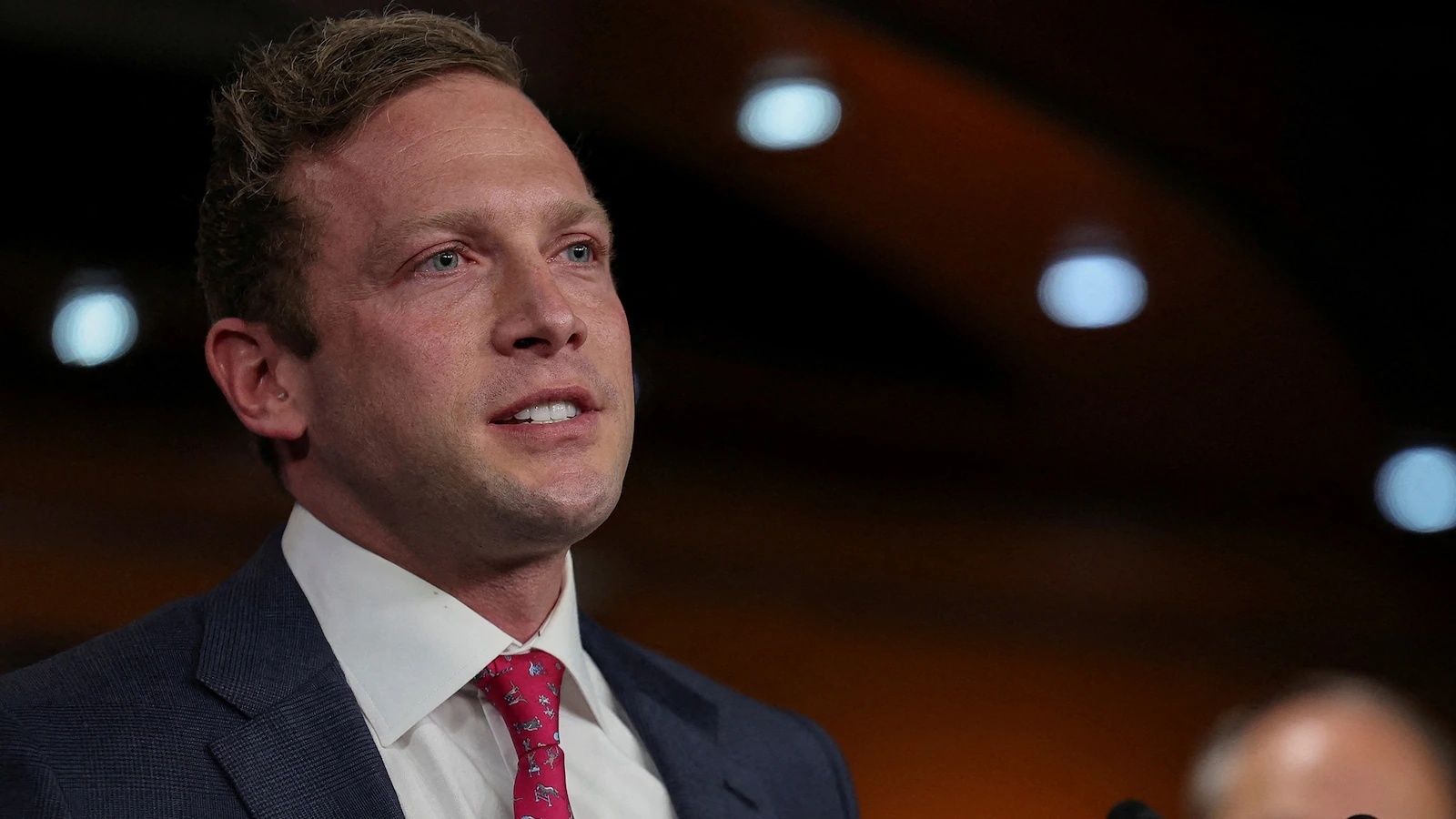
Cyberzenhub.com – Embattled Rep Max Miller says he will not withdraw from his Ohio congressional race despite domestic abuse allegations from his ex-wife. The Republican representative of the 7th District made his stance clear on Tuesday, telling CNN’s Jake Tapper he would neither resign from Congress nor step aside before the ballot deadline. Miller emphasized his commitment to staying in the race through what he called a difficult chapter.
People have asked me, what are you going to do? Are you going to drop out of this race? Are you going to resign? Are you going to get out before the deadline? And my answer to you, Jake, is no.
The Allegations and Family Background
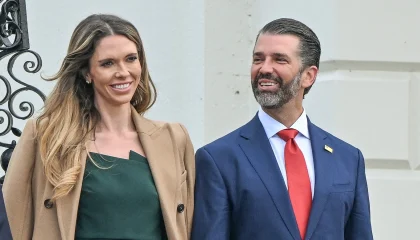
Police reports obtained by ABC News detail claims from Emily Moreno, Miller’s ex-wife and daughter of Senator Bernie Moreno. The couple married in 2022 and divorced in 2024, sharing a two-year-old daughter. Their wedding at Donald Trump’s Bedminster golf club in New Jersey featured a toast from the former president.
Moreno told law enforcement about multiple incidents of physical violence during their marriage and divorce proceedings. She also alleged that their daughter sustained injuries while in Miller’s care. Miller has consistently denied all accusations, and court records confirm he was never formally charged. The Department of Children and Family Services found insufficient evidence to substantiate the child abuse claims.
Trump’s Phone Call and Political Pressure
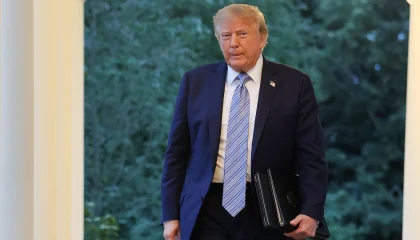
President Donald Trump called Miller on Monday to express concerns about his reelection prospects. According to two sources, Miller denied the allegations directly to the president and showed no plans to leave the race. Trump reportedly told Miller, “Maxie, it’s going to be a tough race,” and added, “I don’t know if you’re going to be able to pull this one out.”
Miller reminded Trump of his own resilience during the 2016 presidential campaign when critics predicted difficulties. The congressman also faced mounting pressure from Republican senators, including Shelley Moore Capito of West Virginia and Roger Marshall of Kansas, who supported Moreno’s call for Miller to step down.
I am never going to give up, and what I mean by that is my daughter is going to grow up one day, and she’s going to see all of this, and she’s not going to see that her father caved to political and social media pressures for something that he never did.
Miller’s Response and Next Steps
On social media, Miller addressed those calling for his resignation. He pointed out to Senator Capito that every accusation had been found unsubstantiated by both the court system and a court-appointed mediator who serves as a psychologist and mandatory reporter.
While Miller did not directly respond to Marshall’s comments to Politico, the Kansas senator had told the outlet that Miller “should resign. He should quit.” Miller, a former Trump White House aide, now balances defending his reputation while navigating a potentially challenging reelection campaign.
Frequently Asked Questions
What are the domestic abuse allegations against Max Miller? Emily Moreno, Miller’s ex-wife, has alleged multiple incidents of physical violence during their 2022-2024 marriage and divorce proceedings. She also claimed their daughter sustained injuries while in Miller’s care.
Has Max Miller been formally charged with any crimes? No, court records show that Miller was never formally charged with a crime related to the allegations. The Department of Children and Family Services also found insufficient evidence to substantiate the child abuse claims.
What did President Trump say to Max Miller during their phone call? Trump told Miller, “Maxie, it’s going to be a tough race,” and expressed uncertainty about whether he would be able to win reelection. Trump also characterized Miller as a “good person” and suggested families should work through such matters privately.
What is Max Miller’s current position on the allegations? Miller has consistently denied all allegations and stated he will not drop out of the race or resign from Congress. He emphasized that he will not cave to political and social media pressures.