
New road trip reality series with Transportation Secretary draws criticism
New Road Trip Series Sparks Debate Over Funding and Patriotism
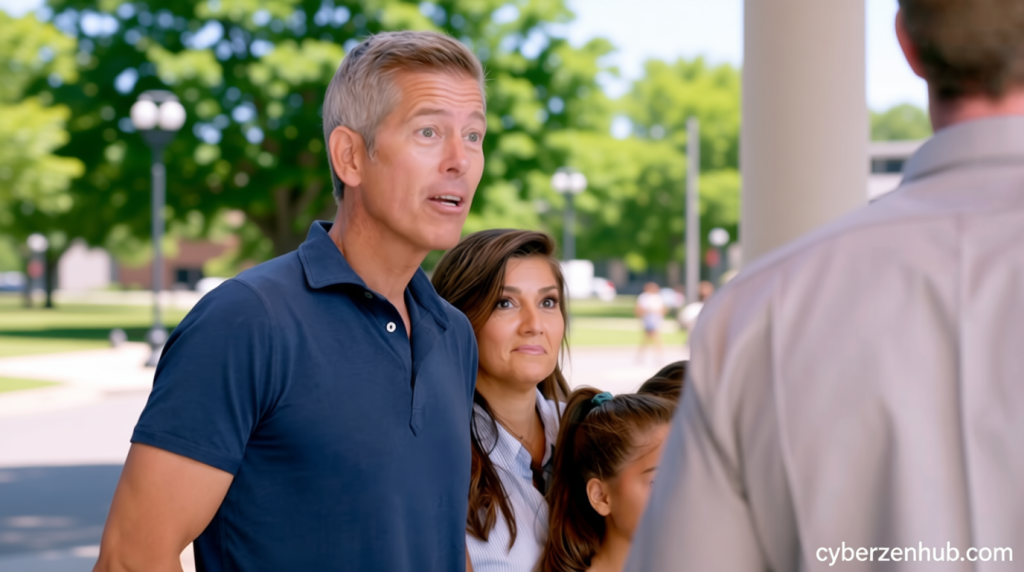
New road trip reality series – U.S. Transportation Secretary Sean Duffy is under scrutiny for a recent reality series titled “The Great American Road Trip,” which chronicles his family’s journey to prominent U.S. landmarks. The project has ignited criticism, particularly amid rising fuel costs that have pushed gas prices to over $4.50 per gallon. Duffy’s involvement in the show has drawn attention as it airs on YouTube, with some questioning its relevance in a time when many families struggle to afford travel expenses.
Production and Financing Details
The series, filmed over the past seven months, features Duffy and his wife, Rachel Campos-Duffy, a Fox News anchor, exploring historical sites such as Civil War battlegrounds and Yellowstone National Park. A trailer for the show describes it as “an unforgettable civic experience” to commemorate America’s 250th anniversary. The production was done in short, two-day filming sessions—such as weekends and spring break—according to Duffy, who emphasized that the project did not cost taxpayers a dime.
“Production costs were paid for by The Great American Road Trip Inc., not taxpayers,” Duffy stated in a post on X. “Zero taxpayer dollars were spent on my family.”
Backlash and Ethical Concerns
Duffy has faced mounting criticism from former Transportation Secretary Pete Buttigieg, who called the series “brutally out of touch” in a social media post. Buttigieg argued that the show highlights a disconnect between the Trump administration’s policies and the public’s financial struggles. “I love a good road trip, but this is brutally out of touch: a Trump Cabinet member making a documentary about himself while regular families can’t afford road trips anymore,” he wrote, linking the high gas prices to the war in Iran.
“I love a good road trip, but this is brutally out of touch: a Trump Cabinet member making a documentary about himself while regular families can’t afford road trips anymore, because Trump and his war put gas prices through the roof,” Buttigieg added.
Duffy defended the series by accusing critics of being “unpatriotic” and “miserable” for disliking its message. In a weekend post on X, he claimed the show is designed to “celebrate America” and “teach your kids civics & patriotism.” The series, he argued, serves as a positive representation of American values and infrastructure, contrasting it with the “radical left” who, he said, have “noticed our awesome Great American Road Trip trailer… and they hate it.” He framed the criticism as a rejection of wholesome, patriotic content.
Sponsors and Public Perception
The Great American Road Trip Inc. has partnered with major companies like Boeing and United Airlines, which Duffy oversees as part of his role in the Department of Transportation. These sponsorships raise questions about the series’ purpose, with some suggesting it could be a subtle marketing campaign for the aviation and automotive industries. The website for the project lists these partnerships, highlighting their role in promoting travel and tourism.
“The Great American Road Trip Inc. is proud to work with the first Transportation Secretary who actually understands the significance of promoting and supporting travel and tourism in America,” said Tori Barnes, the organization’s executive director. She added that Duffy’s efforts align with the department’s mission to maintain critical infrastructure, including roads, bridges, and air travel.
Despite the sponsors, Duffy clarified that he and his family were not paid to participate in the series. A representative from United Airlines declined to comment when contacted by ABC News, while Boeing’s spokesperson also avoided responding. This lack of direct engagement from the companies has left some wondering about their level of investment in the project.
Political Context and Public Reaction
The timing of the series has not gone unnoticed. With gas prices at record highs and the war in Iran exacerbating inflation, some view Duffy’s road trip as a symbol of privilege. Critics argue that the Department of Transportation should prioritize addressing these economic challenges over producing a personal documentary. However, supporters of the show believe it effectively promotes national pride and the importance of transportation networks.
Duffy’s appearance in the trailer alongside former President Donald Trump, who greets the Duffys in the Oval Office, has further fueled the debate. Trump’s presence is likely a strategic move to align the series with his administration’s legacy, though it has also drawn comparisons to the broader political climate. The trailer’s focus on iconic American destinations underscores the series’ goal of celebrating the nation’s heritage and infrastructure, but its reception remains divided.
Expanding the Conversation
As the series gains traction, it has sparked discussions about the role of government officials in shaping public narratives. Some analysts suggest that the show could serve as a tool to reinforce the administration’s vision of American progress, while others see it as a self-promotion effort that detracts from pressing issues like fuel costs and national security. The debate reflects a broader tension between personal expression and public responsibility, particularly in times of economic hardship.
Meanwhile, the series has become a focal point for evaluating how public funds are allocated. While Duffy insists the production costs were privately funded, the connection to his oversight of Boeing and United Airlines has led to speculation about potential conflicts of interest. Advocacy groups are calling for greater transparency, arguing that even private-backed projects should be scrutinized for their impact on taxpayer priorities.
Broader Implications and Future Outlook
The controversy surrounding “The Great American Road Trip” highlights the growing divide between political figures and the public they serve. As the series airs, it remains to be seen whether it will be seen as a heartwarming celebration of American values or a reflection of the administration’s priorities. For now, the show continues to draw both praise and criticism, with its message shaping the conversation around travel, patriotism, and the economic challenges facing the nation.
In a statement, the executive director of the project reiterated the significance of the series, stating that Duffy’s leadership in transportation has made it possible to showcase the country’s natural and historical wonders. However, the initial backlash from Buttigieg and others has ensured the show will remain a topic of discussion, particularly as the nation grapples with the consequences of rising fuel prices and geopolitical tensions.