
First wave of tariff refunds will hit some businesses tomorrow
Initial Tariff Refund Wave Set for Tomorrow
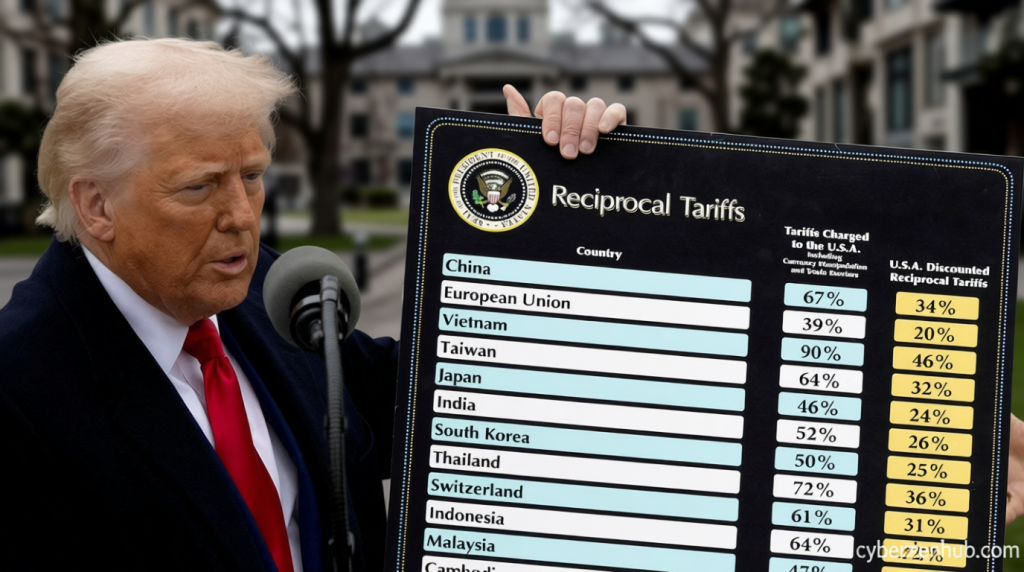
First wave of tariff refunds will – On Tuesday, the first round of tariff refunds will begin arriving in the accounts of certain American businesses, as announced by U.S. Customs and Border Protection (CBP). This initiative allows companies to reclaim funds for tariffs they paid under the International Emergency Economic Powers Act (IEEPA), which were deemed unlawful following a Supreme Court ruling. The court found that the administration had overstepped its authority in imposing these tariffs, prompting the government to launch a digital platform last month for processing claims. Through this portal, importers can submit applications to recover the money they paid for duties that no longer hold legal validity.
Supreme Court’s Impact on Tariff Policies
The IEEPA tariffs, which were levied on a vast number of goods, have affected over 330,000 importers, according to CBP. Collectively, these tariffs amounted to $166 billion in total payments. As of April 26, at least 75,000 businesses have already filed for refunds, as detailed in a court document. This shift in policy marks a significant step in reversing the financial burden placed on companies during the Trump administration’s trade measures.
“Trump has criticized the Supreme Court’s 6-3 decision, which invalidated most of his tariffs. He specifically targeted two justices he appointed early in his presidency—Neil Gorsuch and Amy Coney Barrett—calling the ruling a betrayal of his economic agenda,” stated a recent court filing.
President Trump has consistently expressed frustration with the Supreme Court’s ruling, arguing that it undermines his approach to trade policy. In April, he warned that businesses which failed to apply for refunds would face consequences, emphasizing his commitment to holding companies accountable for the financial impact of the tariffs. However, not all applications have been approved. CBP officials noted that approximately 15% of submitted claims were rejected, often due to errors in documentation or shipments that did not qualify for reimbursement.
Major Corporations Anticipate Substantial Refunds
Industry leaders have begun reporting the expected benefits of this refund process. General Motors, for instance, anticipates receiving hundreds of millions of dollars back, which could be used to address operational challenges. Similarly, other large entities have shared their projections. A Citi analysis revealed that Walmart is due $10 billion, Target is owed $2 billion, Nike is set to recover $1 billion, and Macy’s is expecting $320 million. These figures highlight the widespread financial implications of the tariff adjustments, particularly for major retailers and manufacturers.
While the refund process is gaining momentum, the immediate effect on consumers remains uncertain. Many companies have indicated that they plan to utilize the recovered funds for strategic purposes such as reducing debt, rehiring staff, or replenishing inventory. As a result, shoppers may not see a direct reduction in prices for the goods they purchased in the past year. This strategy aligns with the broader economic goals of leveraging the refunds to stabilize operations rather than passing savings directly to consumers.
Interestingly, some shipping companies have committed to refunding customers directly for packages affected by the IEEPA tariffs. UPS, FedEx, and DHL have announced plans to process individual claims, ensuring that consumers receive financial relief for shipping costs that were unfairly added. This move underscores the growing recognition of the need to address the broader impacts of the tariffs, both on businesses and the public.
The Tax Foundation reported that the IEEPA tariffs imposed an average annual cost of $700 on typical American households. This figure reflects the cumulative effect of the trade policies on everyday consumers, even as businesses prepare to reclaim portions of their expenses. The administration’s decision to reverse these tariffs represents a critical moment in the ongoing debate over trade regulations and their economic consequences.
As the refund process continues, businesses will need to navigate the administrative steps to ensure they qualify for the reimbursement. The CBP’s portal serves as the central hub for this effort, streamlining the application process and enabling faster distribution of funds. However, the initial wave of refunds may only be the beginning of a longer-term adjustment, with more companies expected to apply in the coming weeks.
Experts suggest that the full extent of the refunds’ impact on the economy will take time to materialize. While the immediate financial relief for businesses is clear, the broader question of whether consumers will benefit remains a topic of discussion. Some analysts argue that the refunds could lead to lower prices in the long run, while others caution that companies may prioritize internal financial stability over price cuts.
Consumer Savings: A Probable Outcome?
Although the direct refunds for tariffs may not reach individual shoppers immediately, the potential for cost savings exists. If companies decide to lower prices to offset the refunds, consumers could see a tangible reduction in their expenses. However, this outcome depends on how businesses choose to allocate the recovered funds. For now, the focus remains on the administrative process, with the hope that the refunds will provide a meaningful financial reprieve for affected firms.
The unfolding situation highlights the complex interplay between trade policy and its practical effects on the economy. As businesses begin to receive their share of the $166 billion in total refunds, the broader implications for commerce and consumer spending will become clearer. The initial wave of distributions is a key milestone in this process, setting the stage for future adjustments and potential long-term economic shifts.
With the government’s efforts to reverse the tariffs and companies preparing to use the funds strategically, the next several months will likely see a mix of outcomes. While some businesses may pass on savings to consumers, others could reinvest in growth or repair financial balances. The process also serves as a test of how effectively the refund system can address the issues raised by the Supreme Court, ensuring that companies receive the compensation they are entitled to while minimizing the impact on the average household.
As the refund wave progresses, it will be important to track the distribution rates and the subsequent actions of businesses. The success of this initiative will depend on the efficiency of the CBP’s portal and the accuracy of the claims submitted. For now, the focus is on the initial phase, with the ultimate goal of restoring the financial balance disrupted by the IEEPA tariffs.
Popular Reads
Hantavirus live updates: 16 at facility in Nebraska, 2 at hospital in Atlanta May 11, 4:10 PM
Iran live updates: Trump says ceasefire is ‘unbelievably weak’ May 11, 12:57 PM
Trump calls Iran’s latest response to proposal ‘TOTALLY UNACCEPTABLE’ May 11, 4:05 AM