
Trump nominates David Cummins to head the TSA after a rocky period for the agency
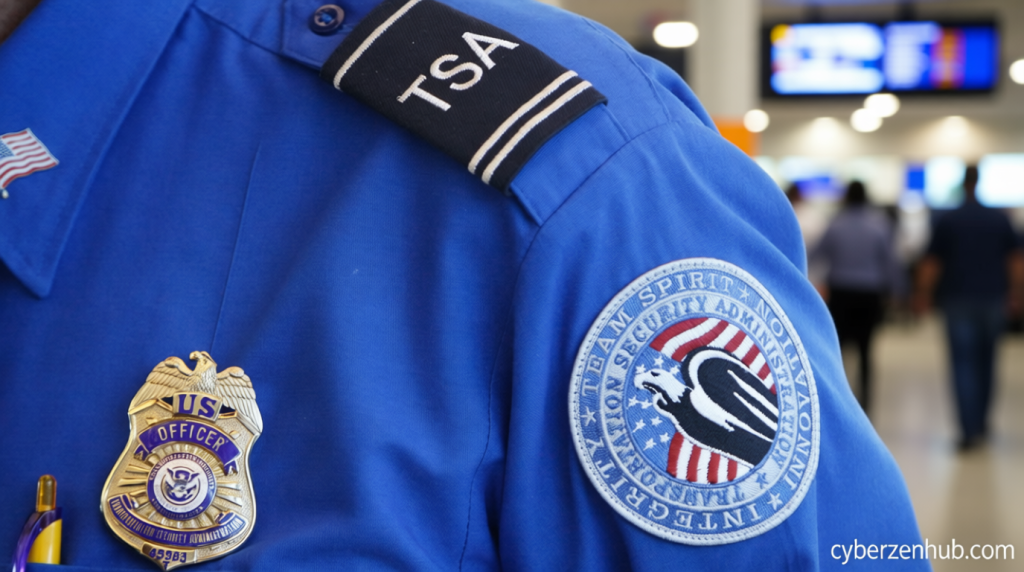
Trump Nominates David Cummins to Lead TSA After Turbulent Period
Trump nominates David Cummins to head – President Donald Trump announced on Monday his intent to appoint David Cummins as the next head of the Transportation Security Administration (TSA). The agency, which has struggled with operational setbacks in recent months, faces challenges such as unpaid wages and extended wait times at major airports. Cummins, a senior executive at Serco—a government services firm—will assume leadership of a TSA that has been impacted by the prolonged government shutdown that concluded in late May. During the shutdown, thousands of employees missed work, hundreds resigned, and the agency operated with reduced capacity, leading to delays and disruptions for travelers nationwide.
A Leadership Transition Amid Crisis
The TSA, currently managed by acting administrator Ha Nguyen McNeill, endured significant strain during the 35-day partial shutdown, the longest in U.S. history. This period of instability left the agency scrambling to maintain operations while grappling with financial shortfalls. Employees, many of whom are essential for airport security, were forced to work without pay for weeks, sparking frustration among both staff and the public. The situation also drew political blame, with lawmakers and officials debating responsibility for the shutdown that affected the Department of Homeland Security.
Cummins’ nomination comes as the TSA seeks to stabilize its operations and rebuild public trust. The agency’s role in safeguarding air travel remains critical, yet the recent disruptions have highlighted vulnerabilities in its management. Trump’s decision to appoint Cummins, who has a strong background in transportation logistics, signals a focus on expertise and efficiency. Serco, the company where Cummins previously served as a senior vice president, has been a key player in supporting federal agencies with security and operational services. His tenure there suggests he is well-versed in managing large-scale infrastructure projects and coordinating with government entities.
Cummins’ Background and Qualifications
According to Cummins’ LinkedIn profile, which has since been removed, he boasted a decade of experience in transportation systems and held a dozen patents related to the field. These innovations, if accurate, would underscore his ability to modernize and streamline processes within the TSA. Additionally, his profile claimed he oversaw operations for the 2002 Winter Olympics in Salt Lake City, a role that required managing high-pressure logistical challenges and coordinating with international stakeholders. Such experience is seen as a valuable asset for the TSA, which must balance security protocols with the demands of a growing travel industry.
“I have co-awarded a dozen patents in transportation systems, and my work at the Winter Olympics demonstrated my capacity to lead complex operations under demanding conditions,” Cummins wrote in his LinkedIn description.
While Cummins’ credentials are compelling, the TSA’s current leadership has faced scrutiny for its handling of the shutdown’s aftermath. McNeill, who has taken the reins as acting administrator, has been tasked with restoring order to a workforce that saw morale plummet during the crisis. The agency’s ability to recover from the shutdown will depend on its new leader’s strategy to address staffing shortages and improve communication with both employees and the public.
Cummins’ appointment also aligns with Trump’s broader emphasis on appointing individuals with private-sector experience to public roles. His career at Serco, a company known for its involvement in security, defense, and transportation, positions him as a candidate who understands the intersection of government and industry. However, his background in a contracting firm raises questions about his independence and ability to make decisions without political pressure. Critics argue that such appointments could prioritize cost-cutting over comprehensive security reforms, while supporters see them as a way to inject innovation and efficiency into federal operations.
Challenges Ahead for the TSA
The TSA’s leadership transition coincides with a period of heightened scrutiny over its performance. Following the shutdown, the agency has been under pressure to rectify its operational shortcomings, including long security lines and inconsistent staffing levels. Cummins’ experience in managing large-scale events, such as the Winter Olympics, may offer insights into how to optimize TSA resources during peak travel times. Additionally, his familiarity with transportation systems could help address delays and streamline procedures at airports.
Despite these qualifications, Cummins’ nomination is not without controversy. The shutdown’s impact on the TSA has been far-reaching, with some employees reporting exhaustion and others questioning the agency’s long-term stability. The agency’s budget constraints and reliance on federal funding have made it a target for criticism, particularly during periods of political gridlock. Cummins’ ability to navigate these challenges will be crucial as he prepares to lead the TSA through an uncertain landscape.
As the confirmation process unfolds, attention will likely focus on how Cummins plans to address the agency’s most pressing issues. The TSA’s role in national security remains vital, yet its recent performance has raised concerns about its effectiveness. Cummins’ experience in both public and private sectors may provide a unique perspective on balancing security priorities with fiscal responsibility. Whether his leadership will restore confidence or exacerbate existing problems remains to be seen, but his appointment marks a significant shift in the agency’s direction.
In the meantime, the Serco spokesperson, contacted for comment on Cummins’ nomination, declined to provide immediate details. This silence adds an air of mystery around the candidate’s motivations and the full scope of his professional achievements. As the TSA moves toward a new era under Cummins’ leadership, the agency will need to demonstrate its ability to adapt and overcome the challenges that have plagued it in recent months.
Broader Implications for Homeland Security
The TSA’s leadership change is part of a larger conversation about the Department of Homeland Security’s (DHS) management and priorities. The shutdown, which affected multiple agencies, exposed weaknesses in the federal government’s ability to fund critical services. Cummins’ nomination could signal a renewed focus on operational resilience within the DHS, particularly as the agency prepares for future challenges such as increased travel demand and evolving security threats.
With the TSA now entering a new phase under Cummins, the agency’s future will be shaped by its ability to implement effective reforms. His background in transportation systems and operational leadership positions him as a strong candidate to address the agency’s current difficulties. However, the road to recovery may be long, requiring not only strategic planning but also a commitment to rebuilding trust with the American public.
As Cummins prepares to step into his role, the spotlight will remain on the TSA’s performance. The agency’s success in managing security operations, reducing delays, and maintaining staff morale will be key indicators of its ability to thrive under new leadership. For now, the nomination represents a step forward in addressing the challenges that have tested the TSA’s capacity in recent months.