
LIV Golf to lose investment from Saudi Arabia, fund says
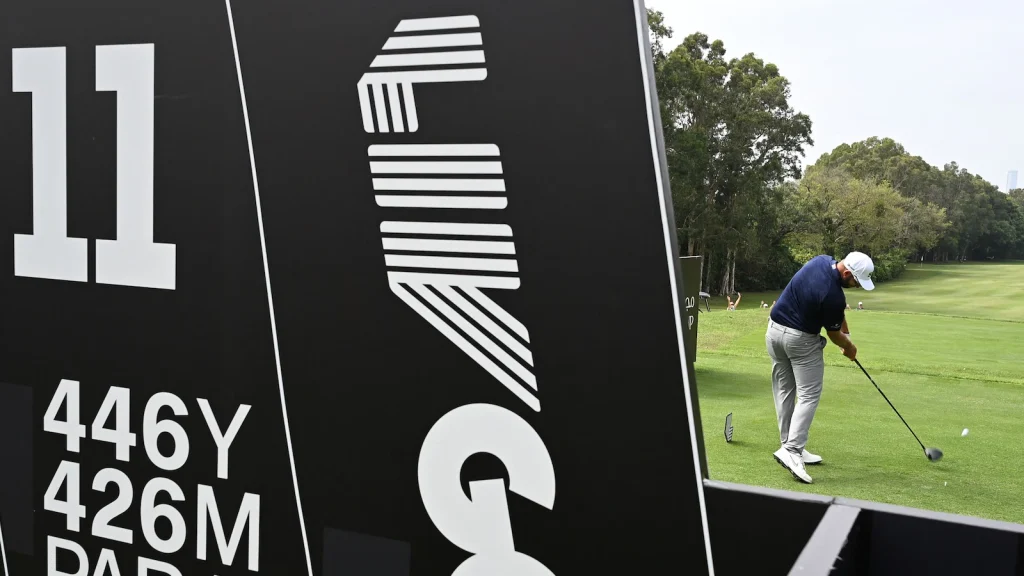
LIV Golf to Lose Financial Backing from Saudi Arabia, Fund Announces
LIV Golf to lose investment – Saudi Arabia’s Public Investment Fund (PIF) has decided to withdraw its financial support from LIV Golf following the conclusion of the 2026 season, according to a statement released on Thursday. The sovereign wealth fund, chaired by Crown Prince Mohammed bin Salman, cited evolving strategic priorities as the rationale for this move. “PIF has made the decision to fund LIV Golf only for the remainder of the 2026 season,” said a PIF representative, emphasizing that the league’s long-term financial demands have diverged from their current investment phase. This shift signals a broader realignment of the fund’s focus, aligning with its broader economic goals.
League Seeks New Path Forward
In response, LIV Golf’s board established a committee of independent directors to explore future options and ensure sustainability after the PIF’s financial support ends. The committee, composed of seasoned professionals, aims to chart a new course for the league’s operations. “The LIV Golf Board has created a committee of independent directors to evaluate strategic alternatives for its future beyond PIF’s funding horizon,” the statement clarified, underscoring the need for diversification in the league’s financial strategy.
Following the announcement, the global golf league unveiled new board members as part of its efforts to secure long-term capital. The strategic evolution of LIV Golf includes the appointment of a newly established independent board, led by Gene Davis and Jon Zinman. These leaders will play a pivotal role in steering the league through its next phase, according to the organization. “LIV Golf has built something truly differentiated — a global league with passionate fans, world-class talent, and demonstrated commercial momentum,” Davis, chair of the Independent Directors Committee, stated in a blockquote. “The executive leadership team, alongside Jon and I, see a clear opportunity to help the league formalize its structure, attract and secure long-term capital, and position the business for growth while continuing to promote the game across the world.”
Record-Breaking Performance in 2026
Despite the funding decision, LIV Golf highlighted its “record-breaking 2026 performance,” citing a 100% year-over-year revenue increase. The league claims this growth will be instrumental in “driving momentum in investor conversations,” a key focus as it transitions from its initial phase. The 2026 season saw the league expand its format, increasing the number of holes from 54 to 72 across four days. This adjustment, alongside the introduction of shotgun starts, has been designed to enhance the spectator experience and attract broader sponsorship interest.
The league’s structure, which includes 13 teams and a 57-player field without cuts, has been a defining feature since its inception in 2022. While the format initially featured three-day, 54-hole events, the 2026 season marked a significant shift to a more traditional four-day structure. This change reflects LIV Golf’s ongoing efforts to refine its operations and align with the global golf industry’s standards. The PIF’s decision, however, adds pressure to the league as it seeks to solidify its financial foundation beyond the current season.
Controversy Over Star Power and Financial Challenges
Since its launch, LIV Golf has faced scrutiny for attracting top PGA Tour players like Phil Mickelson, Bryson DeChambeau, Jon Rahm, Bubba Watson, and Sergio García. These high-profile departures have sparked debates about the league’s ability to maintain competitiveness and profitability. The PIF’s investment was initially a cornerstone of LIV Golf’s ambitions, but the league has encountered challenges, including financial losses at non-U.S. events. These losses, combined with the departure of key stars following Brooks Koepka’s return to the PGA Tour, have raised questions about the league’s long-term viability.
The league’s financial strategy has also been called into question. While the 2026 season reported a significant revenue surge, the sustainability of such growth remains uncertain. “The 2026 season demonstrated record-breaking performance, with 100% year-over-year revenue growth,” LIV Golf stated in a blockquote. “This momentum will be used to drive investor conversations and secure future partnerships.” However, critics argue that the league’s initial reliance on PIF funding may have masked underlying financial imbalances. The 2026 format changes, including the extended competition schedule, were intended to boost viewer engagement and commercial appeal, yet they also increased operational costs.
Leadership Transition and Future Outlook
LIV Golf Investments was initially led by former professional Australian golfer Greg Norman, who stepped down as CEO in December 2025 after four years. His departure marked a turning point for the organization, as it sought to stabilize its leadership structure. The new independent board, now in place, is expected to take a more hands-on approach in managing the league’s finances and operations. Davis and Zinman, both experienced in sports and business, aim to streamline decision-making and attract diverse investors.
“The executive leadership team, along with Jon and I, see a clear opportunity to help the league formalize its structure, attract and secure long-term capital, and position the business for growth,” Davis reiterated in a blockquote. This statement reflects the league’s determination to move beyond its reliance on the PIF, even as it acknowledges the challenges of securing alternative funding. The transition from a foundational launch phase to a diversified investment model is now a central focus, with the independent board tasked to explore partnerships and strategies for the league’s continued success.
While the PIF’s decision may signal a setback, LIV Golf remains optimistic about its future. The league’s global reach and growing fanbase are seen as assets in attracting new partners. “We look forward to positioning LIV Golf for future success,” Davis concluded in a blockquote. The next phase of the league’s development will be closely watched by industry observers, as the organization strives to establish itself as a permanent fixture in the world of professional golf.
The PIF’s announcement also coincides with broader economic shifts in Saudi Arabia, which has been actively diversifying its investment portfolio. By focusing on shorter-term support, the fund may be redirecting resources toward other high-priority sectors. This decision has sparked discussions about the long-term implications for LIV Golf, particularly in light of its recent challenges. However, the league’s leadership remains confident in its ability to adapt and thrive, even as it navigates a new financial landscape.
In summary, the withdrawal of PIF’s funding marks a pivotal moment for LIV Golf. While the league has achieved notable growth and global recognition, the next phase will require innovative strategies and stronger partnerships. The independent board’s formation and the league’s expanded format are steps toward this goal, but the success of LIV Golf beyond 2026 will depend on its ability to secure sustainable funding and maintain its competitive edge in the evolving golf market.