
Trump stops short of saying Iran violated ceasefire: ‘not heavy firing’
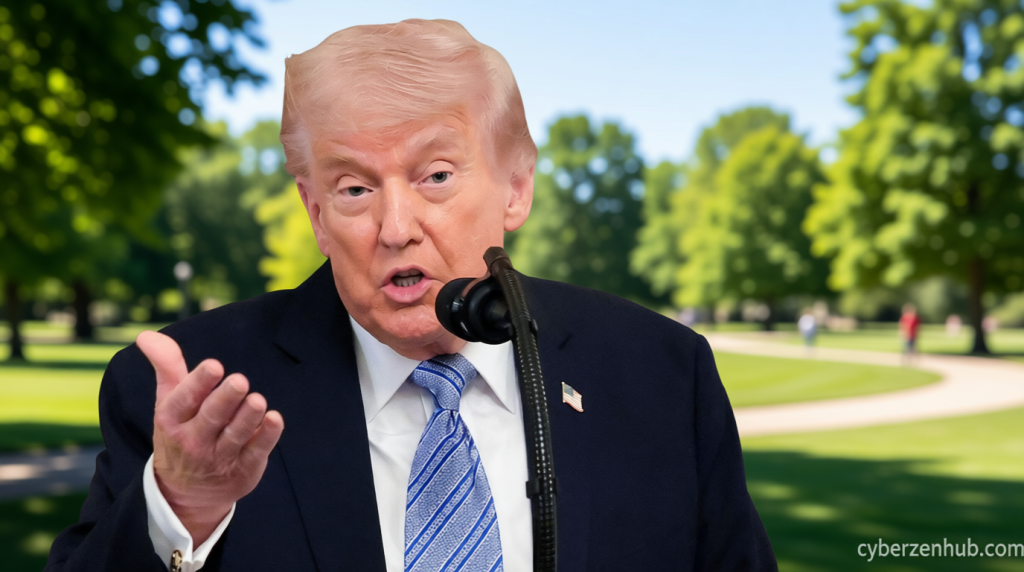
Trump’s Ceasefire Stance Amid Iranian Attacks on Vessels and UAE Infrastructure
Presidential Response to Recent Escalations
Trump stops short of saying Iran – On Monday, President Donald Trump addressed recent tensions between the United States and Iran, indicating that the ceasefire agreement had not been formally breached. Despite Iranian forces engaging in attacks on commercial vessels near the Strait of Hormuz and targeting oil infrastructure in the United Arab Emirates, Trump maintained that the situation did not constitute “heavy firing.” This remark came during a phone interview with ABC News, where he emphasized the U.S. commitment to monitoring the situation before taking decisive action.
Trump’s statement marked a cautious approach, avoiding direct accusations against Iran while acknowledging the ongoing activity. “We’re being very nice,” he said, “and we’re taking care of the world.” This sentiment was echoed when he noted that U.S. forces had intercepted several Iranian missiles and drones, but the scale of the engagement was still under evaluation. The president’s comments suggest a deliberate balance between diplomacy and readiness to escalate if necessary.
“[It was] not heavy firing,” Trump said in a phone call with ABC News. “We’ll let you know. Ships are moving. You know, we moved quite a few last night — big ones. There was no firing. I guess there has been some recently. I’m looking into it.”
According to CENTCOM, U.S. military operations in the region had targeted six Iranian fast boats, with some vessels successfully intercepted. However, the Iranian attacks on the UAE’s oil facilities raised concerns about the effectiveness of the ceasefire. Trump, when asked about the implications of these actions, hinted at a potential need for South Korea’s involvement. “What should happen is South Korea should get involved,” he remarked, “since it was a South Korean ship that got hit.”
The Strait of Hormuz, a critical chokepoint for global oil trade, has seen heightened activity as both sides test the limits of their truce. Iranian missile strikes on the UAE, which includes attacks on oil platforms and other strategic installations, have drawn attention to the region’s vulnerability. While Trump downplayed the severity of the incidents, he acknowledged that Iran had taken “some” recent action, leaving the door open for further escalation.
Iran’s Actions and U.S. Countermeasures
Over the past several hours, Iran launched a series of attacks, including strikes on a South Korean commercial ship in the Strait of Hormuz and coordinated missile and drone launches targeting the UAE. These actions, though not classified as a full-scale violation of the ceasefire, have sparked debates about the agreement’s enforceability. Trump’s reluctance to label the incidents as breaches underscores the complexity of defining “heavy firing” in the context of ongoing hostilities.
“They were shot down for the most part,” Trump stated regarding Iran’s attacks on the UAE. “One got through. Not huge damage.”
Despite the damage, Trump suggested that the incidents were not severe enough to warrant immediate condemnation. “So we shouldn’t overreact?” he asked, to which he responded, “Overreacting is very bad for them. Not for me.” This line of reasoning highlights his focus on projecting strength while maintaining strategic flexibility. The president also expressed confidence in the U.S. ability to manage the situation, asserting that “we have it under control” and that the outcome of the conflict would favor American interests.
Trump’s comments reflect a broader strategy of leveraging the ceasefire to consolidate military advantages without provoking a full-scale retaliation. By emphasizing that the U.S. had already taken steps to neutralize Iranian threats, he aimed to reassure allies of his leadership. However, the attacks on the South Korean vessel and UAE facilities raised questions about the agreement’s durability, particularly as they involved strikes on non-Iranian targets.
Political Implications and Regional Dynamics
The incident has also sparked discussions about the role of international partners in the conflict. Trump pointed to South Korea’s involvement, stating that the country should “immediately send some people” after its ship was targeted. This call for collaboration underscores the geopolitical stakes of the situation, as regional stability hinges on collective action. Meanwhile, the UAE’s oil infrastructure, a vital component of global energy markets, has become a focal point for Iran’s efforts to disrupt supply chains.
Analysts have noted that the ceasefire, while a temporary reprieve, has allowed both sides to regroup and reassess their positions. Trump’s measured response may be an attempt to avoid further provocation while ensuring the U.S. maintains its tactical edge. The president’s assertion that “one way or the other, we win” signals his unwavering confidence in American military capabilities, even as the situation remains fluid.
“The best thing that can happen to them is that we keep it in effect,” Trump added, emphasizing the value of maintaining the ceasefire. “And what happens if the ceasefire is broken? I’ll let you know, like I’ll let everyone else know.”
This statement highlights the president’s dual strategy: fostering calm while preparing for conflict. By framing the ceasefire as a benefit to Iran, he may be trying to encourage compliance while ensuring the U.S. retains the upper hand. The Gulf region, already a hotspot for geopolitical tensions, faces the risk of renewed hostilities if the ceasefire falters.
Related Iran Live Updates
As the situation unfolds, additional reports from Iran’s military operations have emerged. The South Korean ship, reportedly damaged by Iranian fire, has become a symbol of the conflict’s reach beyond traditional battlefields. Meanwhile, CENTCOM’s confirmation of U.S. actions against Iranian fast boats underscores the military’s readiness to respond swiftly to threats. These developments suggest that the ceasefire may serve as a framework for controlled engagement rather than a complete halt to hostilities.
Trump’s remarks also align with his broader narrative of American superiority in global affairs. His reference to the U.S. guiding ships through the Strait of Hormuz ties into a strategy of securing maritime routes, a key priority for maintaining economic leverage. The president’s emphasis on controlling the situation reflects a desire to frame the conflict as a test of American resolve rather than a sign of weakness.
With the potential for further escalation, Trump’s statements may influence how the conflict is perceived internationally. His insistence that “we win” reinforces a message of dominance, even as the situation remains uncertain. The balance between diplomacy and military action continues to define the U.S.-Iran dynamic, and the upcoming days will be crucial in determining whether the ceasefire holds or gives way to renewed fighting.
In summary, the recent attacks have tested the resilience of the U.S.-Iran ceasefire, but Trump’s measured response suggests a willingness to navigate the situation carefully. While he did not outright accuse Iran of breaking the agreement, his remarks signal a readiness to act if necessary. The strategic implications of these events highlight the ongoing competition for influence in the region, with both sides seeking to assert their power without triggering a full-scale war.