
US diplomats undergoing divisive new review process
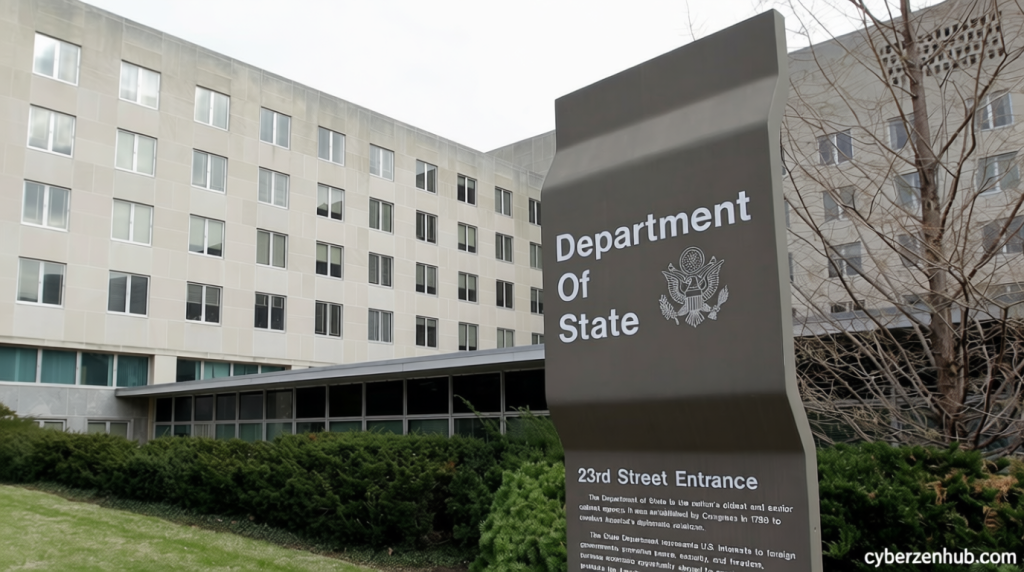
US Diplomats Undergoing Divisive New Review Process
US diplomats undergoing divisive new review – The Trump administration has introduced a significant restructuring of the U.S. State Department’s method for assessing diplomats, aiming to ensure that evaluations better reflect their true performance. However, the shift has ignited sharp debate within the agency, with the professional body representing diplomats expressing strong opposition to the changes. As the final date for submitting these revised assessments approaches, tensions remain high over whether the new approach will enhance efficiency or compromise fairness.
Revisions to Evaluation Framework
Under the revised system, supervisors tasked with reviewing diplomats must now assign numerical scores to their subordinates and provide succinct responses to written performance-related questions. This format replaces the former practice of using qualitative assessments, which relied more on subjective feedback rather than quantifiable metrics. The changes, which were implemented earlier this year, are part of a larger effort by the administration to streamline operations and improve the department’s responsiveness to global events.
According to a State Department official, the primary goal of these adjustments is to make the evaluation process more “data driven.” This aligns with the administration’s broader initiative to modernize bureaucratic systems, emphasizing accountability and measurable outcomes. The new method seeks to identify top-performing diplomats and those who might require further training, enabling more precise decision-making regarding promotions and assignments.
Concerns from Diplomatic Professionals
The American Foreign Service Association (AFSA), which represents diplomats directly affected by the reform, has voiced substantial concerns about the new evaluation approach. In particular, the organization argues that the numerical scoring system could undermine the integrity of the process by introducing potential bias and reducing transparency. “This format risks making career-defining decisions less fair, less transparent, and more vulnerable to bias,” stated AFSA President John Dinkelman in an interview with ABC News.
“I am concerned about what is the seemingly intentional creation of a zero-sum game among members of a professional corps of diplomats, where rather than seeking to collaborate and work as a team, individuals will be further forced into a mindset of careerism at the expense of our professionalism,” Dinkelman added.
Employees within the State Department have expressed mixed reactions to the changes. While some acknowledged the need for improvement in the previous system, others warned that the new process could create an overly competitive environment. Dinkelman emphasized that the revisions might discourage teamwork and prioritize individual achievements over collective goals, potentially harming the department’s cohesion.
One diplomatic officer noted that the previous evaluation system allowed for excessive leniency, with some supervisors encouraging their subordinates to “ghost-write” their own assessments. This practice, which involved employees drafting their own reviews under the guidance of their managers, was seen as a way to maintain positive ratings regardless of actual performance. Critics argue that the new system, by requiring concise answers and numerical ratings, may not allow for the same level of nuance in evaluating diplomats’ contributions.
Deadline and Implementation Timeline
The State Department has set a firm deadline of May 29 for supervisors to complete and submit their evaluations under the revised guidelines. Following this, promotion review panels will convene over the subsequent two months to determine final decisions. These panels will assess the submitted reviews and decide on promotions, pay increases, and other personnel actions based on the new criteria.
State Department leadership maintains that the changes are not intended to be punitive. Deputy Secretary of State Christopher Landau stated in a statement to ABC News that the new system would help leaders distinguish between diplomats who consistently deliver results and those who fall short. “Having been involved in supervising and evaluating personnel for many years in different contexts, I believe this change will restore accountability and ensure that evaluations reflect actual performance rather than inflated ratings designed to evade difficult conversations,” Landau said.
Landau highlighted that the previous system often rewarded consensus, which could lead to score inflation and obscure genuine performance differences. By introducing a numerical framework, the administration hopes to create a clearer, more objective standard for appraising diplomats. However, the AFSA contends that this approach might oversimplify complex professional contributions, reducing the depth of feedback and increasing the likelihood of subjective interpretations influencing outcomes.
Employee Perspectives and the Path Forward
State Department employees who spoke to ABC News revealed a divided opinion on the effectiveness of the new process. While some appreciated the potential for more precise evaluations, others feared that the brevity of the written responses would hinder the ability to assess candidates fairly. This concern is particularly relevant in cases where multiple diplomats are vying for the same promotion, as the system may not adequately capture the unique strengths of each individual.
Despite the concerns, the AFSA has stated it will continue to explore all possible avenues to challenge the changes. The organization is committed to advocating for diplomats, arguing that the new process may inadvertently prioritize competition over collaboration. “We are determined to ensure that the evaluation system remains fair and equitable for all members of the foreign service,” said Dinkelman, underscoring the group’s resolve to push back against what it perceives as a flawed reform.
As the State Department moves forward with its new evaluation framework, the debate over its effectiveness is expected to continue. The success of the changes will likely depend on how well they balance the need for efficiency with the preservation of professional integrity. With the deadline fast approaching, diplomats across the agency are preparing to navigate this transformative process, which could reshape the way their careers are evaluated for years to come.